

Are you struggling with unexplainable post-meal bloating, chronic mid-afternoon brain fog, erratic bowel motility, or persistent sugar cravings that derail your wellness goals? You are far from alone. Millions of individuals seeking sustained vitality are discovering that the secret to lasting metabolic vitality and mental clarity begins in the digestive tract. When you learn how to restore gut microbiome naturally using targeted whole-food nutrition, you give your body the tools to repair itself from the inside out.
Modern diets, packed with ultra-refined carbohydrates, artificial emulsifiers, and industrial seed oils, act like an ecological drought for your inner microbial rainforest. Without the specific plant compounds needed to nourish beneficial bacterial colonies, opportunistic, inflammatory microbes take over. The result is chronic intestinal permeability, sluggish mitochondrial ATP production, and systemic inflammation.
Fortunately, your inner microflora is extraordinarily adaptable. By reintroducing targeted prebiotic dietary fibers, you can systematically restore gut microbiome naturally, ignite the production of rejuvenating short-chain fatty acids (SCFAs), and reclaim steady, all-day energy.
In this comprehensive, science-backed guide, we delve into the molecular mechanics of intestinal balance and examine the 7 most potent whole foods proven to rebuild your inner microbial ecosystem.
The Molecular Ecosystem: How Prebiotics Rebuild Your Digestive Terrain
To understand why prebiotic foods are indispensable if you want to restore gut microbiome naturally, it is essential to distinguish between probiotics and prebiotics:
- Probiotics are live beneficial bacterial strains (such as Lactobacillus and Bifidobacterium) found in fermented foods or supplements. Think of them as introducing new seeds into an overgrown garden.
- Prebiotics are non-digestible soluble plant fibers and polyphenols that pass through your stomach and small intestine completely intact. When they reach your colon, your commensal microbes ferment them. Prebiotics are the nutrient-dense fertilizer that allows beneficial bacteria to multiply, colonize, and crowd out harmful invaders.
When your beneficial microflora ferment prebiotic fibers, they generate vital metabolic byproducts known as short-chain fatty acids (SCFAs)**—principally **butyrate, acetate, and propionate:
1. Butyrate (The Mucosal Fuel): Serves as the primary energy fuel for colonocytes (the epithelial cells lining your intestinal wall). Butyrate reinforces the tight junction proteins (zonula occludens), sealing microscopic mucosal gaps and preventing systemic endotoxemia.
2. Acetate (The Metabolic Messenger): Crosses the blood-brain barrier to regulate central appetite control, dampening intense sugar cravings and optimizing peripheral fat oxidation.
3. Propionate (The Hepatic Balancer): Migrates to the liver where it inhibits hepatic cholesterol synthesis and improves whole-body insulin sensitivity.
Without adequate prebiotic fuel, beneficial bacteria literally starve, forcing them to feed on your protective mucosal mucus layer. Providing consistent prebiotic nutrition is the single most reliable strategy to restore gut microbiome naturally and preserve lifelong cellular resilience.
7 Powerful Prebiotic Foods to Restore Gut Microbiome Naturally
Integrating whole, unrefined prebiotic foods into your meals creates a thriving microbial habitat. Here are the 7 most biologically active foods you can use to restore gut microbiome naturally:
1. Jerusalem Artichokes (Sunchokes): The King of Inulin
Jerusalem artichokes (the edible tubers of a species of sunflower) contain the highest concentration of prebiotic inulin found in nature—up to 20% of their total weight consists of pure oligofructose and inulin polymers.
- Targeted Microbial Growth: Inulin selectively feeds Bifidobacterium longum and Faecalibacterium prausnitzii, two of the most critical anti-inflammatory bacterial strains in human digestion.
- Mineral Absorption Catalyst: As inulin ferments into short-chain fatty acids, it slightly acidifies colonic pH, which drastically increases the bioavailability and systemic absorption of calcium, magnesium, and dietary zinc.
- Culinary Tip: Roast sunchokes with rosemary and extra virgin olive oil, or steam and mash them as a delicious, gut-rebuilding alternative to traditional white potatoes.
2. Garlic & Raw Leeks: Organosulfur Compounds and FOS
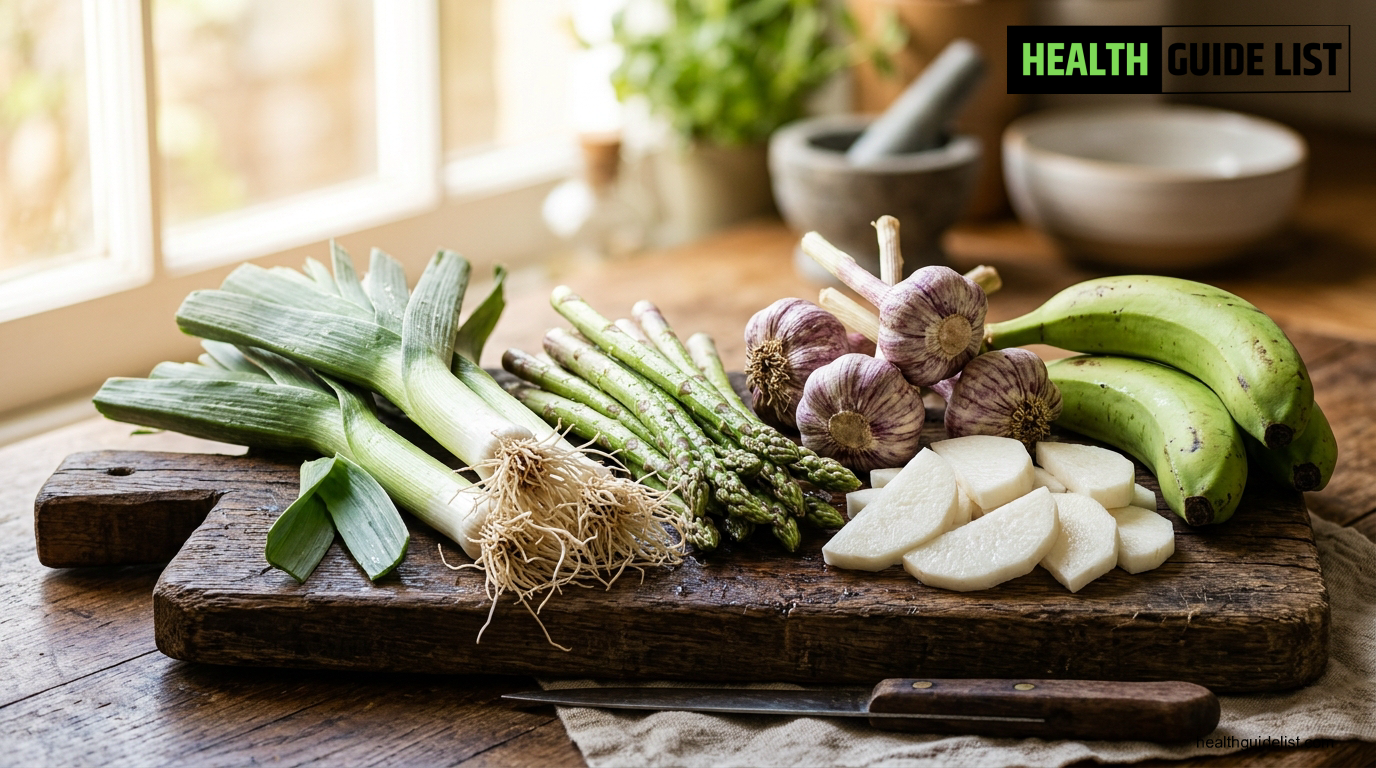
Garlic and leeks belong to the Allium vegetable family, renowned for their dual-action digestive benefits. They deliver dense reservoirs of fructooligosaccharides (FOS) combined with potent organosulfur compounds like allicin.
- Dual-Action Antimicrobial Action: While the soluble FOS fibers nourish beneficial Lactobacilli, allicin exhibits natural antimicrobial activity against pathogenic yeast overgrowths (such as Candida albicans) and dysbiotic anaerobes.
- Epithelial Protection: Daily intake of allium prebiotics enhances mucosal thickness, making it easier to restore gut microbiome naturally after courses of antibiotics or severe digestive upset.
- Culinary Tip: Add raw thinly sliced leeks to fresh salads, or fold minced raw garlic into homemade vinaigrettes to preserve heat-sensitive organosulfur enzymes.
3. Slightly Green (Unripe) Bananas: Resistant Starch Powerhouse
While ripe yellow bananas are dominated by simple fructose and sucrose, slightly green, unripe bananas are packed with Type-2 Resistant Starch (RS2).
- Bypassing Upper Digestion: Resistant starch resists pancreatic amylase breakdown in the small intestine, arriving in the cecum completely undamaged.
- Massive Butyrate Surge: Colonic bacteria ferment resistant starch into astronomical amounts of butyrate, dramatically reducing localized oxidative stress in the colon lining.
- Blood Sugar Stabilization: The presence of RS2 slows the rate at which carbohydrates enter the bloodstream, preventing glycemic spikes and supporting effortless metabolic flexibility.
To understand how high-fiber dietary approaches systematically regulate blood sugar and trigger natural GLP-1 satiety pathways, explore our detailed breakdown on Fibermaxxing for Weight Loss: How High-Fiber Foods Mimic GLP-1 Naturally.
4. Raw and Cooked Asparagus: Deep Cleansing Prebiotic Inulin
Asparagus spears provide an exquisite matrix of soluble inulin fiber, insoluble structural cellulose, and glutathione—the body’s master cellular antioxidant.
- Anti-Inflammatory Cytokine Regulation: Regular asparagus consumption suppresses pro-inflammatory cytokines like interleukin-6 (IL-6) and tumor necrosis factor-alpha (TNF-α) in the intestinal mucosa.
- Natural Fluid Drainage: High levels of the amino acid asparagine stimulate kidney filtration, gently flushing fluid retention without depleting crucial intracellular potassium stores.
- Culinary Tip: Lightly steam or grill asparagus spears with lemon juice to preserve tender inulin bonds while maximizing palatability.
5. Whole Steel-Cut Oats: Beta-Glucan Immune Architecture
Unprocessed whole oats (specifically steel-cut or rolled varieties) are exceptionally rich in beta-glucan, a unique soluble viscous fiber with profound immunomodulatory properties.
- Macrophage Activation: Beta-glucan fibers bind directly to specific receptors on gut-associated lymphoid tissue (GALT), priming intestinal macrophages to defend against incoming pathogens.
- Gel-Forming Transit Regulation: In the digestive tract, beta-glucan forms a soothing, protective gel that slows digestion, cushions irritated mucosal walls, and ensures steady transit time.
- Bile Acid Clearance: Oats bind to circulating bile acids, carrying them through the bowel and signaling the liver to use excess blood lipids for fresh bile synthesis, naturally optimizing lipid profiles.
6. Apples with Peel: Polyphenol-Rich Prebiotic Pectin
“An apple a day keeps the doctor away” holds biological truth when it comes to the microbiome. Apple pulp and skin are concentrated sources of pectin, a complex structural polysaccharide:
- Bacterial Diversity Expansion: Research shows that pectin administration increases populations of Bifidobacteria and Eubacterium, while reducing dangerous Bacteroides overgrowth.
- Quercetin Synergism: Apple peels are saturated with the bioflavonoid quercetin, which acts as a mast cell stabilizer, taming histamine release and soothing food hypersensitivities in sensitive stomachs.
- Culinary Tip: Always eat organic apples with the skin on. Stewed warm apples with a dash of Ceylon cinnamon create an exceptionally gentle digestive remedy for irritable bowels.
7. Flaxseeds and Chia Seeds: Mucilage and Lignan Complexes
Flaxseeds and chia seeds contain specialized water-soluble fibers known as mucilage gums. When exposed to moisture, these seeds expand into a soothing gel that coats the entire gastrointestinal tract.
- Mechanical Barrier Repair: Mucilage gel acts as a physical protective barrier across irritated stomach linings, easing acid reflux and mucosal erosion naturally.
- Microbial Lignan Conversion: Gut bacteria convert plant secoisolariciresinol diglucoside (SDG) lignans found in flaxseeds into enterolactone and enterodiol—potent natural compounds that balance hormonal metabolism.
- Culinary Tip: Always consume flaxseeds freshly ground. Whole flaxseeds possess an impenetrable outer shell that passes through human digestion unabsorbed.
Looking to Supercharge Your Gut-Driven Metabolic Rate? While integrating prebiotic whole foods and building short-chain fatty acids forms the foundation of digestive wellness, many individuals with longstanding dysbiosis struggle with a sluggish basal metabolic rate and stubborn fat storage. If you want a comprehensive, scientifically evaluated breakdown of natural botanical thermogenics and metabolic activators, read our complete CitrusBurn Review: Can This Natural Formula Ignite Stalled Metabolism? to discover how clinical plant compounds stimulate internal calorie expenditure without stimulants.
Actionable Daily Meal Protocol: How to Restore Gut Microbiome Naturally
Rebuilding microbial diversity does not require complicated meal plans. Follow this easy-to-implement daily nutritional protocol to systematically restore gut microbiome naturally:
| Daily Meal | Recommended Prebiotic Foods | Target Microbes Supported | Primary Biological Impact |
|---|---|---|---|
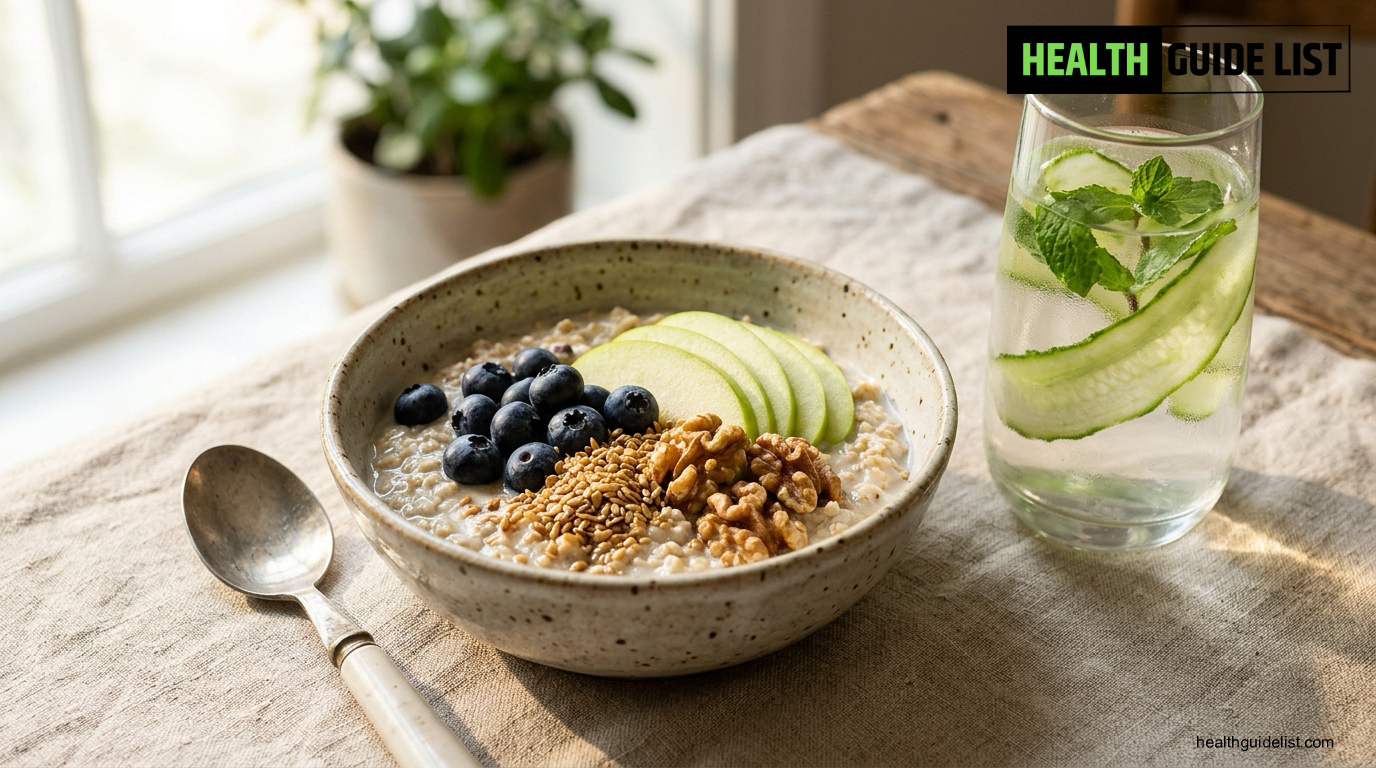
| Breakfast | Overnight steel-cut oats topped with ground flaxseed, half a sliced green banana, and blueberries. | *Bifidobacterium*, *Lactobacillus* | High beta-glucan and resistant starch load triggers steady early-morning butyrate synthesis. |
| Midday Lunch | Wild greens salad with sliced leeks, steamed asparagus, chickpeas, and lemon-olive oil dressing. | *Faecalibacterium prausnitzii* | Inulin and prebiotic oligosaccharides optimize insulin sensitivity and prevent afternoon energy slumps. |
| Afternoon Snack | One organic crisp green apple with skin intact, paired with a small handful of raw walnuts. | *Akkermansia muciniphila* | Pectin and polyphenols reinforce the mucin layer and quell inflammatory cravings. |
| Evening Dinner | Roast sweet potato or roasted Jerusalem artichokes seasoned with crushed raw garlic and sea salt. | *Roseburia*, *Bacteroidetes* | High inulin levels feed colonic bacteria overnight, allowing deep intestinal mucosal regeneration while you sleep. |
4 Common Mistakes to Avoid When Rebuilding Your Gut
When striving to restore gut microbiome naturally, avoiding common dietary pitfalls is just as crucial as eating the right prebiotic foods:
1. Ramping Up Fiber Too Quickly: If your gut is currently dysbiotic, introducing massive quantities of raw inulin or beans overnight can cause severe gas, cramping, and bloating. Start gradually—introduce one new prebiotic food every 3 days to give your bacterial populations time to adapt.
2. Ignoring Cellular Hydration: Prebiotic fibers absorb copious amounts of water as they swell and form transit gels. Without sufficient clean water, high-fiber diets can paradoxically cause stubborn constipation. Read our clinical analysis on The Importance of Proper Hydration for Joint and Skin Health to optimize your fluid intake.
3. Overusing Alcohol-Based Sanitizers and Antibacterial Mouthwashes: Sterilizing your mouth or environment indiscriminately wipes out commensal oral microbes that seed your lower digestive tract every time you swallow saliva.
4. Neglecting Intermittent Fasting Windows: Giving your digestive tract a 12- to 14-hour overnight rest activates the **Migrating Motor Complex (MMC)**—a rhythmic wave that sweeps lingering food debris and dead bacteria out of the small intestine. To see how cyclic eating promotes cellular renewal, read 7 Intermittent Fasting Benefits for Autophagy and Cellular Health.
Frequently Asked Questions: Restore Gut Microbiome Naturally
How long does it take to restore gut microbiome naturally?
Noticeable improvements in stool transit time, reduced gas, and better daytime energy often occur within 7 to 14 days of consistent prebiotic food intake. However, deep cellular remodeling of the mucosal epithelial wall and substantial diversification of commensal bacterial colonies typically requires 8 to 12 weeks of sustained, fiber-rich nourishment.
Can prebiotic foods cause bloating in the beginning?
Yes. If your digestive tract has an imbalance of hydrogen- or methane-producing microbes (such as in mild small intestinal bacterial overgrowth), rapid fermentation of inulin and FOS can cause transient bloating. To prevent this, steam your prebiotic vegetables thoroughly, chew thoroughly, and increase daily portions gradually.
Should I take probiotic pills alongside prebiotic foods?
While high-quality probiotic supplements can introduce beneficial strains, prebiotic whole foods are far more powerful for long-term health. Prebiotics nourish trillions of your own native, highly adapted bacterial strains that no commercial pill can replicate. Focus on whole prebiotic foods first.
Are prebiotic foods safe for individuals with IBS?
Individuals diagnosed with severe Irritable Bowel Syndrome (IBS) may be sensitive to high-FODMAP prebiotics like garlic, onions, and sunchokes. In these cases, gentler low-FODMAP prebiotic options—such as unripe green bananas, rolled oats, stewed peeled apples, and chia seeds—are exceptionally well-tolerated and facilitate healing without triggering distress.
Does green tea support the gut microbiome?
Yes. High-quality organic green tea contains abundant epigallocatechin gallate (EGCG), a potent polyphenol that acts as a prebiotic. EGCG suppresses pathogenic Clostridium species while stimulating the growth of beneficial Bifidobacteria. To learn how green tea catechins synergize with metabolism, read 7 Science-Backed Benefits of Green Tea for Metabolism.
Final Thoughts: Reclaim Vitality Through Your Inner Ecosystem
Your gut microbiome is not just a passive digestive tube; it is the master biochemical command center that dictates your immune resilience, mental sharpness, hormone balance, and daily stamina. You do not need extreme detox teas or synthetic cleanses to feel your best.
By embracing whole, fiber-dense prebiotic foods like Jerusalem artichokes, raw leeks, green bananas, steel-cut oats, and crisp apples, you provide your biology with the exact fuel it was designed to flourish on. Begin incorporating these nutrient-dense foods into your meals today, take control of your digestive health, and restore gut microbiome naturally for vibrant, lifelong wellness.
Disclaimer: This article is for educational and informational purposes only and does not constitute medical advice. If you suffer from chronic gastrointestinal disorders, severe abdominal pain, or unexplained weight loss, please consult a licensed gastroenterologist or healthcare physician.