


Exploring the proven intermittent fasting benefits for autophagy provides powerful insights into how the human body rejuvenates itself without costly interventions. Autophagy—which literally translates from ancient Greek as “self-eating”—is your body’s evolutionary mechanism for recycling dysfunctional cells, clearing damaged proteins, and renewing cellular vitality.
While conventional nutritional advice often emphasizes constant grazing throughout the day, modern cellular biology demonstrates that periods of digestive rest stimulate deep biological rejuvenation.
In this comprehensive guide, we review the scientific mechanisms behind cellular cleanup and examine how adopting a structured fasting window unlocks sustainable wellness.
What is Cellular Autophagy and How Fasting Triggers It?
At the microscopic level, every organ in your body accumulates biological debris over time. Senescent cells, malformed mitochondrial components, and oxidized protein aggregates can impair optimal metabolic functioning if left unmanaged.
During continuous nutrient intake, cellular sensors like mTOR (mammalian target of rapamycin) remain constantly activated, signaling your cells to grow and build rather than repair. However, when you fast for 14 to 18 hours or longer, cellular energy sensors detect a reduction in glucose and amino acids. This biological shift switches off mTOR and activates AMPK (AMP-activated protein kinase), initiating the natural intracellular recycling process called autophagy.
Clinical evidence highlights that periods of fasting allow specialized organelles called autophagosomes to engulf cellular waste and deliver it to lysosomes for safe enzymatic breakdown and fuel recycling. Just as internal temperature impacts metabolic rate, cellular renewal works hand-in-hand with metabolic efficiency; learn more about inner body temperature weight loss mechanisms.
7 Major Intermittent Fasting Benefits for Autophagy
Here are seven clinical and biochemical benefits that occur when you stimulate cellular cleanup through timed eating windows:
1. Accelerated Cellular Waste Recycling
The cornerstone of intermittent fasting benefits for autophagy is the systematic removal of dysfunctional proteins. Cells safely dismantle intracellular trash, preventing the toxic buildup that contributes to premature aging and sluggish tissue repair.
2. Mitochondrial Renewal (Mitophagy)
Mitochondria are the powerhouses of your cells, generating cellular energy (ATP). Fasting specifically triggers mitophagy, a targeted form of autophagy that removes damaged mitochondria and promotes the biogenesis of vibrant, highly efficient new energy producers.
3. Lowered Systemic Inflammation
By clearing oxidized cellular fragments, fasting suppresses the overactivation of inflammatory pathways like NF-kB. This natural reduction in baseline inflammation supports joint flexibility, arterial integrity, and healthy cardiovascular markers.
4. Enhanced Brain Health and Neuroprotection
Autophagy is particularly active in brain tissue during fasting states. It helps remove misfolded tau proteins and beta-amyloid plaques while stimulating brain-derived neurotrophic factor (BDNF), supporting mental sharpness, focus, and long-term cognitive health.
5. Improved Insulin Sensitivity and Metabolic Flexibility
Fasting allows your pancreas to rest and enables insulin receptors to resensitize. Paired with cellular cleanup, your metabolism transitions seamlessly between burning dietary glucose and tapping into stored adipose tissue for fuel.
6. Deep DNA and Cellular Longevity Support
When cells are not dedicating metabolic energy to digestion, they upregulate sirtuins and DNA repair enzymes. This cellular preservation directly supports healthy tissue renewal and biological longevity.
7. Immune System Rejuvenation
Prolonged fasting windows recycle old white blood cells and stimulate hematopoietic stem cells to generate fresh immune cells upon refeeding, giving your natural defense system a comprehensive biological reboot.
Clinical Research: A peer-reviewed study published in the National Library of Medicine (PubMed) confirms that intermittent caloric restriction and fasting regimens effectively induce autophagy across multiple organ systems, providing measurable cardiometabolic and cellular longevity benefits.
Optimal Protocols to Maximize Intermittent Fasting Benefits for Autophagy
To naturally stimulate cellular cleansing while maintaining day-to-day energy, follow these practical lifestyle recommendations:
- 16/8 Intermittent Fasting: Fast for 16 hours overnight and consume balanced meals within an 8-hour window. This is the most popular, sustainable routine for consistent daily autophagy activation.
- Prioritize Deep Nighttime Sleep: Melatonin and deep REM sleep synergize with fasting to amplify cellular repair pathways; explore our guide on how sleep hygiene resets metabolism for hormonal balance.
- Stay Well-Hydrated: Water is essential for cellular enzymatic reactions and toxin excretion. Maintain healthy fluid levels throughout your fast with our tips on the importance of proper hydration.
- Leverage Green Tea Catechins: Drinking unsweetened green tea during fasting windows provides EGCG, a natural polyphenol that further promotes cellular health; discover the green-tea metabolism benefits for metabolic activation.
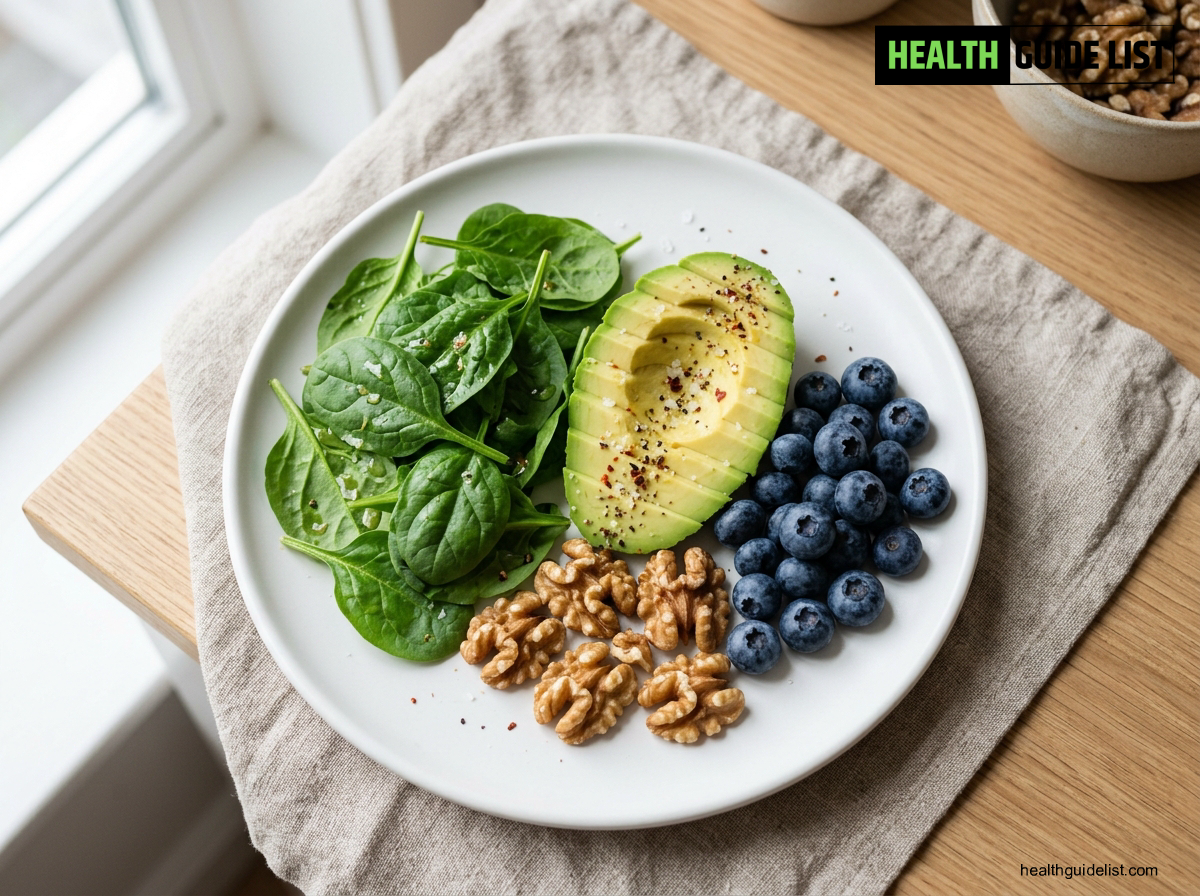
- Break Your Fast with Nutrient-Dense Foods: When your eating window opens, avoid ultra-processed carbs. Focus on healthy fats (avocados, olive oil), colorful antioxidant-rich berries, leafy greens, and clean protein to nourish regenerating cells.
Fasting Window Comparison for Cellular Cleansing
FAQs: Intermittent Fasting Benefits for Autophagy
What breaks autophagy during intermittent fasting?
Consuming calories, particularly carbohydrates and amino acids (proteins), triggers insulin release and reactivates mTOR, which temporarily pauses the autophagy process. Pure water, plain black coffee, and unflavored herbal teas generally do not disrupt cellular cleansing.
How many hours of fasting are needed to start autophagy?
While baseline autophagy occurs at minimal levels constantly, meaningful upregulation typically begins around the 14 to 16-hour mark of continuous fasting, intensifying progressively as liver glycogen stores decline.
Can exercise increase autophagy alongside intermittent fasting?
Yes! Moderate physical exercise stimulates the AMPK pathway and accelerates the clearance of cellular debris, making physical movement an excellent natural amplifier of fasting-induced cellular repair.
Health Disclaimer: The information provided in this article is for educational purposes only and is not intended to replace professional medical advice, diagnosis, or treatment. Always consult with a qualified physician or healthcare provider regarding any concerns you have about your metabolism, thyroid health, or dietary changes. These statements have not been evaluated by the Food and Drug Administration.
1 thought on “7 Intermittent Fasting Benefits for Autophagy and Cellular Health”