

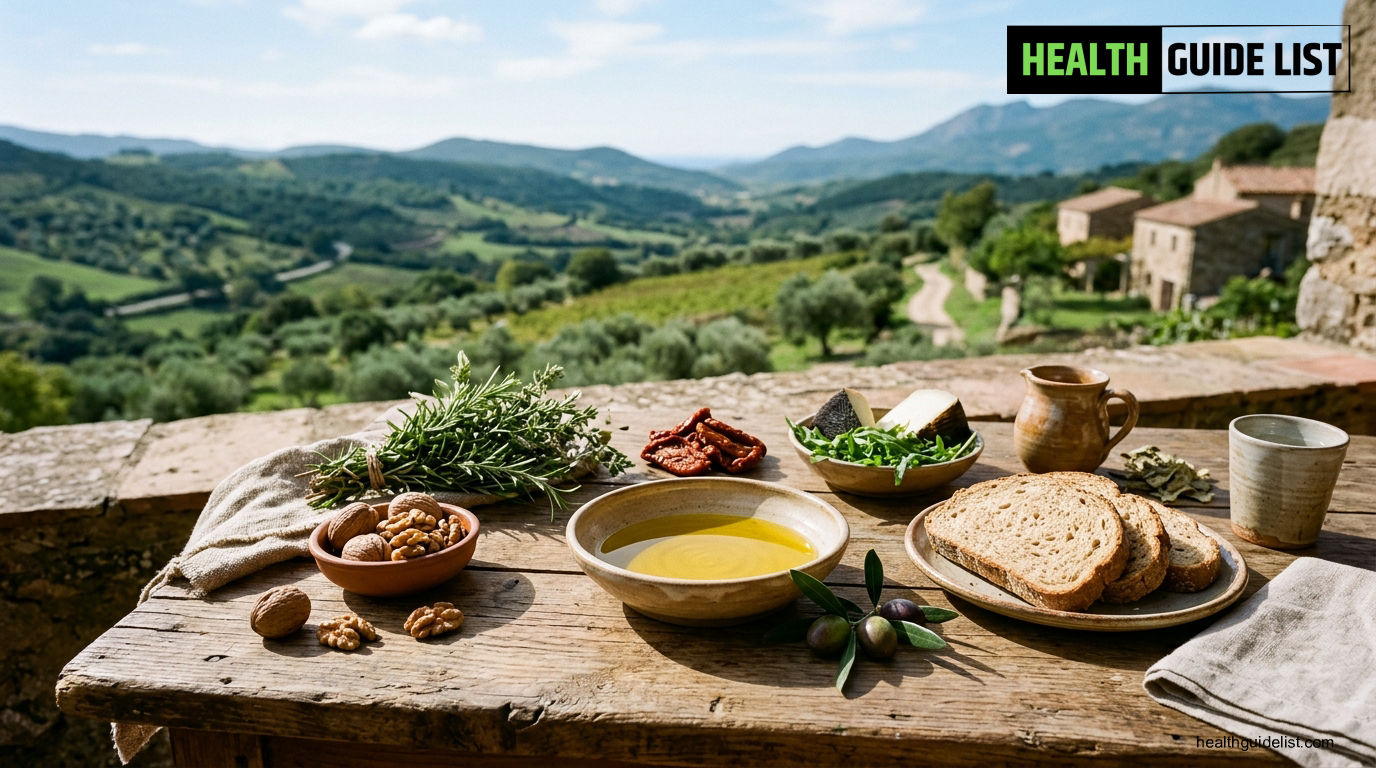
Perched high in the rugged mountains of Nuoro province in central Italy lies Bolotana, an ancient stone village where reaching 100 years of age is not a statistical miracle—it is an expected milestone of daily life. Researchers, geneticists, and demographic scientists from across the globe have spent decades studying the Bolotana Sardinia centenarians longevity habits, seeking to unlock why this secluded region contains one of the world’s highest concentrations of vigorous, disease-free centenarians.
Unlike modern urban societies where aging is frequently accompanied by metabolic decline, stiff joints, chronic cardiovascular distress, and mental fog, the elders of Bolotana routinely walk steep mountain inclines, tend olive groves, and maintain vibrant social bonds well into their tenth decade. What makes their extraordinary vitality possible is not reliance on expensive pharmaceuticals or synthetic miracle therapies. Instead, their resilience stems from a deeply ingrained, natural way of living that optimizes biological aging at the cellular level.
In this definitive, science-backed guide, we examine the biology, nutrition, movement, and recovery patterns that form the core of the Bolotana Sardinia centenarians longevity habits, translating their centuries-old wisdom into actionable daily protocols you can adopt in your modern routine.
The Geography of Longevity: Why Bolotana Is a Global Blue Zone Wonder
In the early 2000s, demographic researchers Dr. Gianni Pes and Dr. Michel Poulain began drawing concentric blue circles on a map of Sardinia to pinpoint villages with unprecedented male and female longevity. Bolotana, situated in the Marghine mountain territory, emerged as a legendary hotspot within this inaugural “Blue Zone.”
To understand why the Bolotana Sardinia centenarians longevity habits are so remarkably effective, one must understand how environmental geography intersects with human biochemistry:
1. Topographical Physical Conditioning: Bolotana is built across steep, terraced granite hillsides. Merely walking to the local bakery, visiting a neighbor, or tending an uphill garden requires continuous low-intensity, functional leg drive that stimulates cardiovascular resilience and lymphatic circulation without the micro-tears associated with aggressive gym lifting.
2. Untouched Soil & Mineralized Water: Mountain springs flowing through crystalline granite deliver unchlorinated, calcium- and magnesium-rich water that nourishes cellular hydration and stabilizes arterial wall elasticity.
3. Absence of Modern Ultra-Processed Foods: For generations, Bolotana’s agricultural isolation preserved an uncorrupted food supply. The inhabitants consumed exclusively what was harvested from their volcanic soil, sheep pastures, and backyard orchards.
By shielding their biology from the chronic endocrine disruptions of processed foods and artificial sedentary lifestyles, the people of Bolotana created an optimal environment for healthy cellular longevity.
7 Core Bolotana Sardinia Centenarians Longevity Habits
Scientific field research reveals that the prolonged lifespan of Sardinian elders is driven by seven synergistic lifestyle pillars. Let us examine the biological mechanisms that make each of these Bolotana Sardinia centenarians longevity habits so transformative.
1. Plant-Centric, Fiber-Dense Mediterranean Nutrition
The dietary blueprint of Bolotana centenarians is fundamentally plant-forward, seasonal, and exceptionally high in soluble and prebiotic plant fibers. While mainstream media often mischaracterizes Mediterranean eating as heavy on pasta and red meat, the actual daily nourishment of Sardinian centenarians consists predominantly of garden legumes, whole grains, and wild vegetables:
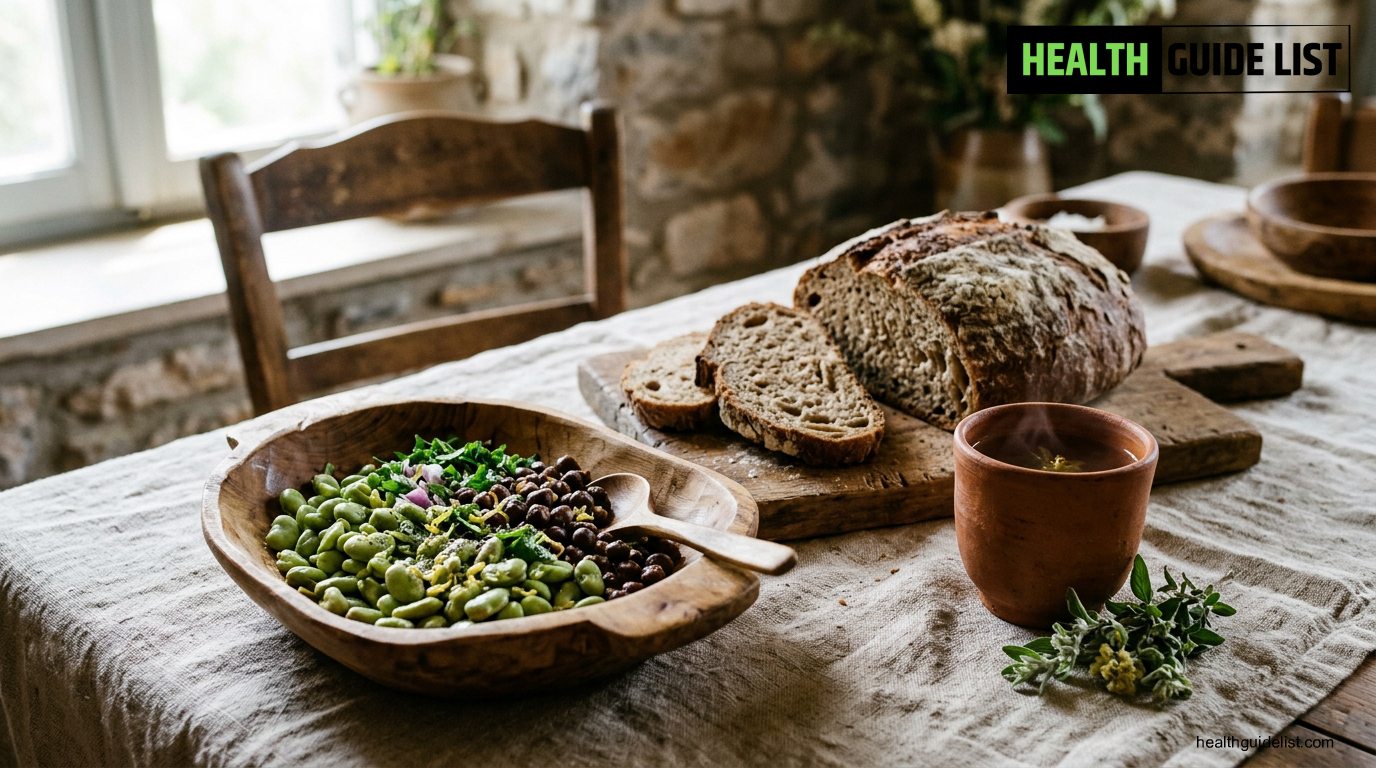
- Fava Beans & Chickpeas (Favata): A cornerstone of the Sardinian diet is fava bean stew. Fava beans are naturally rich in L-DOPA (a direct dopamine precursor that supports neurocognitive health), folate, and prebiotic oligosaccharides that cultivate healthy microbiome bacteria.
- Wild Bitter Greens & Foraged Herbs: Bolotana elders forage wild chicory, dandelion greens, borage, and wild fennel. These bitter botanicals contain high concentrations of polyphenols and glucosinolates, which activate the Nrf2 cellular antioxidant pathway, protecting liver enzymes and endothelial cell walls from oxidative degradation.
- Polyphenol-Rich Extra Virgin Olive Oil: Cold-pressed local olive oil is consumed liberally with every meal. Rich in oleocanthal (a natural cyclooxygenase-inhibiting compound that mirrors anti-inflammatory mechanisms) and monounsaturated oleic acid, it maintains clean arterial pathways and cellular membrane fluidity.
To discover how whole-food plant nutrition systematically tames systemic joint stiffness and tissue swelling, read our detailed guide on Natural Anti-Inflammatory Foods for Joint Health and Mobility.
2. Traditional Sourdough Fermentation (Pane Carasau & Pistoccu)
Unlike modern commercial sandwich breads made with rapid industrial yeast and bleached flour, Bolotana centenarians consume traditional Sardinian flatbreads (Pane Carasau and Pistoccu) crafted with heritage durum wheat (Senatore Cappelli) and fermented slowly with a wild lactobacillus mother starter (madre).
This 24- to 36-hour wild microbial fermentation completely transforms the grain’s starch architecture:
- Drastic Glycemic Index Reduction: The lactic acid produced by ancestral lactobacilli slows gastric emptying and retrogrades resistant starch, preventing sharp postprandial glucose and insulin spikes that otherwise accelerate cellular glycation (AGEs).
- Gluten Breakdown & Mineral Bioavailability: Wild fermentation enzymatically dismantles inflammatory gluten peptide chains and degrades phytic acid, making essential minerals like zinc, magnesium, and iron instantly bioavailable for mitochondrial energy synthesis.
3. Natural, Low-Intensity Functional Movement Throughout the Day
One of the most defining aspects of the Bolotana Sardinia centenarians longevity habits is the complete absence of formal, high-impact gym exercise. You will not find an 85-year-old in Bolotana lifting heavy barbells or running on a motorized treadmill. Instead, their days are filled with relentless, low-intensity natural movement (Non-Exercise Activity Thermogenesis, or NEAT):
- Terraced Mountain Walking: Every day, elders navigate stone stairways and uneven cobbled paths. This continuous uphill locomotion strengthens the gluteus medius, quadriceps, and ankle stabilizers, drastically reducing the risk of debilitating hip fractures in older age.
- Gardening & Olive Cultivation: Hoeing soil, pruning grapevines, and harvesting fruit requires deep squats, overhead reaching, and rotational core engagement that preserves joint range of motion and synovial fluid lubrication naturally.
- Continuous Nitric Oxide Generation: Gentle, unbroken movement throughout daylight hours continuously stimulates vascular endothelial nitric oxide synthase (eNOS), ensuring smooth blood circulation and balanced blood pressure.
4. Natural Intermittent Fasting and Moderate Caloric Density
Bolotana centenarians have practiced natural caloric pacing for generations, long before “intermittent fasting” became a global health trend. Their ancestral rhythm was dictated by agricultural daylight and agrarian discipline:
- The Light Evening Meal: Lunch (su pranzu) is traditionally the largest meal of the day, followed by a light, broth-based vegetable or bean soup for dinner eaten before dusk. This leaves an overnight digestive resting window of 12 to 14 hours.
- Activation of Cellular Autophagy: Allowing the gastrointestinal tract to rest between sundown and sunrise triggers cellular autophagy—the body’s innate self-cleaning mechanism where lysosomes break down dysfunctional cellular organelles, misfolded proteins, and senescent “zombie” cells.
To explore how cyclic meal timing stimulates cellular recycling and preserves tissue youthfulness, read our in-depth exploration on 7 Intermittent Fasting Benefits for Autophagy and Cellular Health.
5. Cannonau Wine: High-Procyanidin Flavonoids in Strict Moderation
Much has been written about the Sardinian tradition of drinking Cannonau, a local red wine produced from Grenache grapes. However, the nuance of how Bolotana centenarians consume it is crucial:
- 3x Higher Procyanidin Concentrations: Because the Cannonau grape ripens under intense Mediterranean ultraviolet sunlight in mountainous soil, its skin develops exceptionally thick concentrations of oligomeric proanthocyanidins and anthocyanins—substances with up to three times the antioxidant capacity of typical commercial red wines.
- Strict Social Moderation: Bolotana elders never engage in heavy or binge drinking. They consume a single small glass (3 to 4 ounces) strictly with their fiber-rich midday meal, alongside fresh conversation with family. The polyphenols act as a metabolic buffer against meal-induced oxidative stress, while modest alcohol enhances beneficial HDL cholesterol clearance.
6. Circadian “Riposo”, Stress Dissipation, and Restorative Sleep
In Bolotana, the frantic pace of modern hustle culture is non-existent. A foundational component of the Bolotana Sardinia centenarians longevity habits is an unwavering respect for biological rest:
- The Afternoon “Riposo” (Siesta): Following lunch, the entire village slows to a halt. Inhabitants take a 30- to 45-minute rest in darkened, quiet rooms. Research published in medical journals confirms that regular midday naps lower sympathetic nervous system tone, reduce circulating stress hormones (adrenaline and cortisol), and cut coronary heart mortality risk by over 30%.
- Circadian Darkness & Early Bedtime: Because the village is free from light pollution and blue-screen digital devices late at night, centenarians maintain pristine circadian melatonin rhythms, slipping into restorative deep stage-3 non-REM sleep shortly after dusk.
Struggling with Restorative Sleep and Elevated Nighttime Stress? While Sardinian centenarians benefit from mountain tranquility and decades of natural circadian alignment, modern individuals frequently struggle with racing thoughts, elevated evening cortisol, and disruptive 3 AM awakenings that accelerate cellular aging. If you want a comprehensive, scientifically validated analysis of plant-based nano-drops and botanical cofactors engineered to restore deep REM cycles and reset nocturnal stress hormones, read our complete Yu Sleep Review: Can This Nano-Enhanced Liquid Formula End 3 AM Wake-Ups? to discover how clinical-grade botanical synergy supports nightly cellular recovery.
7. Strong Social Architecture and Multigenerational Purpose (Ikigai)
Biology does not operate in a vacuum; psycho-emotional connection profoundly dictates biological aging. In Bolotana, the psychological framework of the village provides powerful neuro-endocrine protection:
- High Esteem for the Elderly: In stark contrast to Western societies where elderly individuals are frequently marginalized or institutionalized, Sardinian centenarians are celebrated as the moral, cultural, and spiritual pillars of the community. Their advice is sought on family decisions, agriculture, and village matters.
- Daily Multigenerational Contact: Grandparents live in the same households as their children and grandchildren. This constant social engagement floods the brain with oxytocin, buffers loneliness-induced neuroinflammation, and provides a continuous sense of life purpose (motu de vida), which keeps the mind sharp well past age 100.
- Pure Spring Hydration: Staying continuously hydrated with untainted mountain spring water maintains clean renal filtration and cell volume. To review the biological role of mineral hydration in maintaining tissue elasticity, read The Importance of Proper Hydration for Joint and Skin Health.
Daily Routine Blueprint: Bolotana Centenarians vs. Modern Urban Lifestyles
To clearly see why the Bolotana Sardinia centenarians longevity habits produce such distinct physiological outcomes compared to modern Western living, review this head-to-head daily lifestyle comparison:
| Life Domain | Bolotana Sardinia Centenarians | Conventional Modern Lifestyles | Biological Longevity Impact |
|---|---|---|---|
| Physical Activity | 5-8 miles of daily hillside walking, gardening, and stair climbing (continuous NEAT). | 8+ hours of desk sitting punctuated by 45 minutes of strenuous, cortisol-spiking gym training. | Sustained insulin sensitivity, unbroken lymphatic flow, and resilient joint cartilage. |
| Dietary Foundation | Home-cooked legumes, wild greens, sourdough, extra virgin olive oil, and goat milk cheese. | Ultra-processed convenience foods, refined seed oils, synthetic preservatives, and added sugars. | Vibrant gut microbiome diversity, minimal systemic chronic inflammation, and low biological AGEs. |
| Stress Regulation | Mandatory afternoon “riposo”, leisurely meals with family, unhurried daily pace. | Chronic multitasking, continuous digital notifications, high commuter stress, and hurried meals. | Downregulated sympathetic nervous system, preserved telomere length, and low baseline cortisol. |
| Social Belonging | Deep multigenerational co-living, reverent community role, daily piazza socializing. | Isolated nuclear families, social media superficiality, and high prevalence of elderly loneliness. | High oxytocin output, lower neurodegenerative risks, and robust psychological resilience. |
| Circadian Recovery | Sleeping in pitch-black mountain air; consistent natural wake times with the sunrise. | Late-night artificial blue light exposure, disrupted circadian rhythm, erratic sleep debt. | Unimpeded nightly cellular DNA repair, optimal growth hormone output, and deep glymphatic clearance. |
How to Adapt the Bolotana Longevity Habits to Modern City Life
You do not need to move to a remote Italian mountain village to benefit from the Bolotana Sardinia centenarians longevity habits. By making intentional adjustments to your daily routine, you can replicate their biological advantages wherever you live:
1. Shift to a 75% Whole Plant Plate: Make fava beans, lentils, chickpeas, and leafy dark greens the centerpiece of your lunches. Drizzle raw, polyphenol-rich extra virgin olive oil generously over steamed vegetables.
2. Build Continuous Movement Into Your Workday: Take calls while pacing, choose staircases over elevators, park farther from stores, and take a 15-minute walk outside after every meal to blunt glucose spikes.
3. Switch to True Wild Fermentation Sourdough: Avoid supermarket commercial white breads. Seek out local bakeries that use traditional sourdough wild starters and heritage whole grains with long 24-hour fermentation periods.
4. Schedule Daily Downtime (Your Urban “Riposo”): Even if your work does not permit a full afternoon nap, step away from computer screens for 15 minutes between 1:00 PM and 3:00 PM. Close your eyes, practice slow diaphragmatic breathing, and allow your nervous system to disengage from sympathetic fight-or-flight overdrive.
5. Cultivate Close Social Bonds: Commit to eating dinner around a table with loved ones without televisions or smartphones. Meaningful conversation and shared laughter are potent biological medicines.
Frequently Asked Questions: Bolotana Sardinia Centenarians Longevity Habits
What is unique about Bolotana compared to other Blue Zones?
Bolotana is located in the rugged mountainous interior of Sardinia’s Nuoro province. Unlike coastal regions, its extreme topography demands continuous mountain incline walking, and its historical geographic isolation preserved ancient heritage wheat strains, volcanic soil nutrients, and traditional wild sourdough baking practices that maintain exceptional gut microbial diversity.
Do Bolotana centenarians eat meat?
Yes, but very infrequently. Meat in traditional Bolotana households was historically reserved for festive celebrations, weddings, and religious holidays—typically consumed only once or twice per month. The daily protein foundation comes from legumes (fava beans, chickpeas), sheep or goat milk cheese (pecorino sardo made from grass-fed animals), and wild plants.
What kind of wine do Sardinian centenarians drink?
They drink local Cannonau wine in modest amounts (one small glass per day, consumed strictly with a substantial meal). Cannonau grapes have unusually high concentrations of oligomeric proanthocyanidins (polyphenols) that support vascular elasticity, but its health benefit is entirely dependent on strict moderation.
Can adopting Bolotana longevity habits help if started in your 50s or 60s?
Yes, clinical longevity studies consistently demonstrate that transitioning to plant-rich, fiber-dense nutrition, establishing daily walking routines, and optimizing sleep quality substantially reduces systemic arterial stiffness, restores microbiome balance, and lowers systemic inflammatory biomarkers regardless of when you begin.
How does sourdough bread in Sardinia differ from modern bread?
Traditional Sardinian bread (Pane Carasau) uses ancient non-hybridized durum wheat and a slow lactobacillus wild fermentation process lasting up to 36 hours. This natural microbial process predigests starches, reduces glycemic impact, and breaks down complex proteins, preventing the inflammation and blood sugar instability provoked by modern fast-rising commercial breads.
Final Thoughts: Reclaiming Nature’s Longevity Blueprint
The long, vibrant lives of Bolotana’s centenarians offer a powerful reminder: human vitality is not achieved by fighting nature, but by aligning with it. Exceptional longevity is not an unattainable genetic lottery ticket; it is the natural consequence of daily, nourishing habits practiced consistently over decades.
By embracing whole, fiber-rich botanical foods, moving your body gently and continuously, prioritizing deep circadian rest, and cherishing your relationships, you can integrate the timeless Bolotana Sardinia centenarians longevity habits into your own life and build a foundation for enduring health, sharp cognition, and vitality for decades to come.
Disclaimer: This article is for educational and informational purposes only and does not constitute individual medical advice. Always consult a qualified healthcare professional before significantly modifying your diet, exercise routine, or healthcare protocols.