

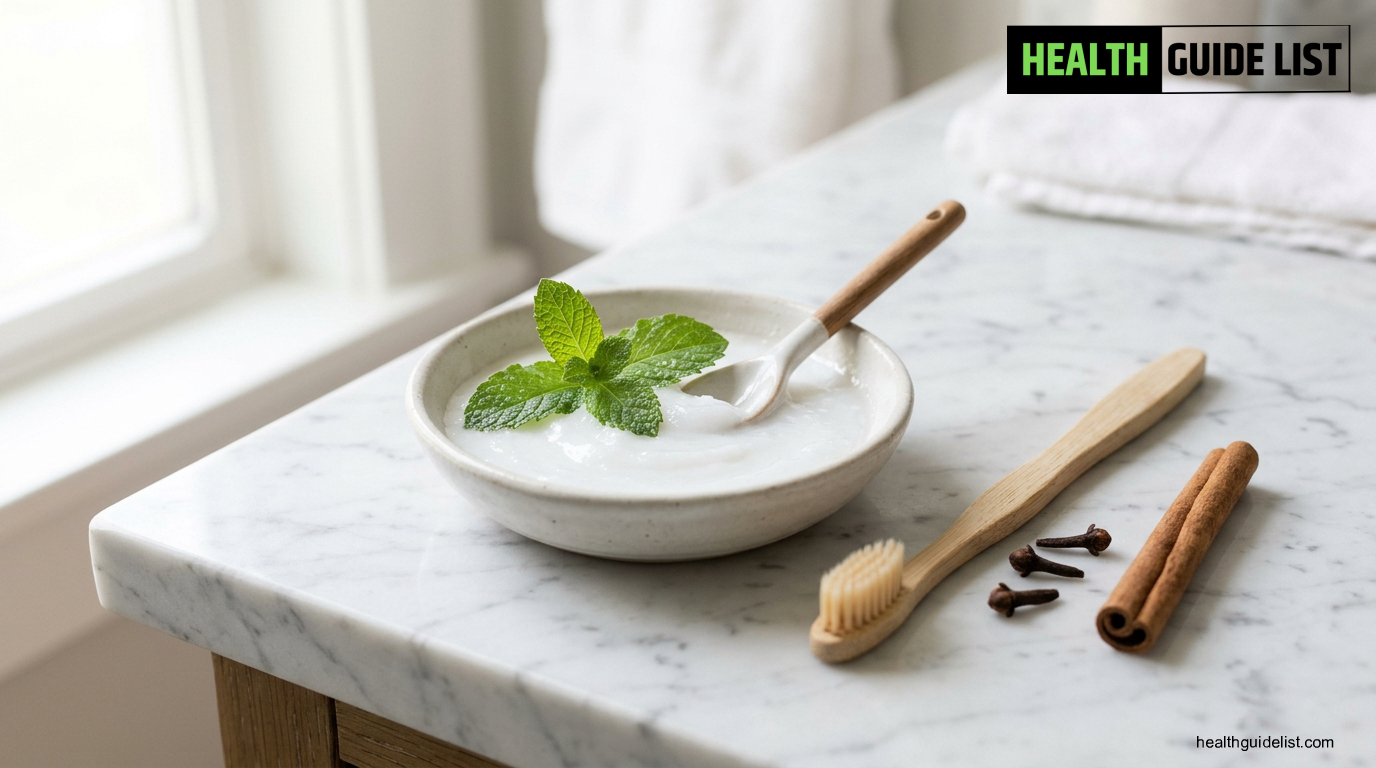
Have you recently noticed your teeth appearing longer, heightened tooth sensitivity to hot morning coffee or ice water, or slight bleeding while flossing? These are the classic early warning signs of gingival recession. Millions of adults search each year for ways to reverse receding gums naturally without having to undergo invasive, painful gum graft surgeries.
While advanced alveolar bone loss cannot spontaneously regenerate without specialist clinical intervention, you can significantly halt progression, tighten inflamed periodontal pockets, stimulate collateral blood flow, and restore cellular elasticity to your gingival tissue. By addressing the true underlying driver—pathogenic bacterial dysbiosis in your mouth—you can strengthen your gum margin and build an environment where beneficial bacteria thrive.
In this comprehensive, evidence-based guide, we explore the biology of periodontal recession, break down the balance between beneficial and harmful bacteria, and outline an actionable daily protocol to help you reverse receding gums naturally from the comfort of your home.
What Causes Gums to Recede? Understanding the Root Biology
Gingival recession occurs when the margin of gum tissue surrounding your teeth wears away or pulls back, exposing more of the tooth root structure. Because tooth roots lack the protective, mineral-dense enamel layer found on dental crowns, exposed cementum becomes extraordinarily susceptible to decay, bacterial colonization, and acute hypersensitivity.
To effectively reverse receding gums naturally, it is crucial to recognize the core physiological and lifestyle triggers that compromise your gum margin:
1. Pathogenic Bacterial Biofilm Accumulation: When oral hygiene lapses or saliva flow drops, anaerobic bacteria form tenacious biofilms beneath the gumline. These colonies release endotoxins and volatile sulfur compounds that trigger a localized autoimmune inflammatory cascade, breaking down collagen fibers in the periodontal ligament.
2. Aggressive or Incorrect Toothbrushing Technique: Scrubbing your teeth with stiff, hard-bristled toothbrushes or utilizing abrasive back-and-forth horizontal strokes exerts mechanical friction that literally shreds thin gingival tissue over time.
3. Chronic Oral Dysbiosis & Over-Sterilization: Stripping the mouth with harsh alcohol-based mouthwashes wipes out commensal protective bacteria. This allows opportunists to repopulate unchecked, accelerating gum tissue detachment.
4. Nocturnal Bruxism (Teeth Grinding): Excessive lateral pressure from nightly jaw clenching micro-fractures alveolar bone crests and drives gum margin retreat.
5. Micronutrient Deficiencies: Connective tissue requires continuous vitamin C, zinc, and bioavailable collagen synthesis. A deficiency stalls tissue remodeling and weakens cellular attachments.
By neutralizing these mechanical, inflammatory, and microbial drivers, you provide your periodontal tissues with the biological foundation required to recover and firm up.
The Oral Microbiome: Your First Line of Defense
Your oral cavity is home to more than 700 distinct species of microorganisms, collectively termed the oral microbiome. When your mouth exists in a state of balanced eubiosis, beneficial strains such as Streptococcus salivarius (strains K12 and M18) and Lactobacillus reuteri act as microscopic guardians. They generate antimicrobial peptides (bacteriocins), maintain neutral saliva pH, and physically block pathogenic colonizers.
However, diets high in refined carbohydrates, dry mouth, systemic stress, and toxic antimicrobial products induce dysbiosis. Anaerobic periodontal pathogens—predominantly the “red complex” organisms:
- *Porphyromonas gingivalis*
- *Treponema denticola*
- *Tannerella forsythia*
These virulent anaerobes burrow deep into the sulcular epithelium, releasing collagenase and gingipain enzymes that liquefy the very proteins holding your gums firmly against your tooth roots.
According to peer-reviewed research indexed on the National Center for Biotechnology Information (NCBI), chronic periodontitis is not merely an infection; it is a breakdown of the host-microbe symbiotic relationship. Therefore, any lasting protocol to reverse receding gums naturally must focus on re-establishing microbial balance rather than chemical eradication.
5 Practical Steps to Reverse Receding Gums Naturally
(No synthetic chemical treatments or harsh interventions needed—purely biological and natural mechanisms.)
Step 1: The Biofilm Disruption Protocol (Targeted Oil Pulling)
Oil pulling (Gandusha) is an ancient Ayurvedic therapy validated by modern clinical dentistry. Swishing cold-pressed, virgin organic coconut oil or sesame oil through the interdental spaces pulls hydrophobic bacterial membranes from periodontal pockets through a process known as saponification.
Virgin coconut oil contains approximately 50% lauric acid, a potent natural medium-chain fatty acid renowned for inhibiting Streptococcus mutans and periodontal pathogens without irritating delicate mucous membranes.
How to Perform Therapeutic Oil Pulling Correctly:
- Measure 1 Tablespoon: Place 1 tablespoon of unrefined organic virgin coconut oil into your mouth first thing in the morning on an empty stomach.
- Gently Swish: Swish, pull, and draw the oil between your teeth for 15 to 20 minutes. Avoid swallowing the oil, as it becomes loaded with dislodged toxins and trapped bacteria.
- Spit into Trash: Discard the emulsified milky fluid into a trash can (avoid plumbing clogs).
- Warm Salt Water Rinse: Follow immediately with a warm Himalayan salt water rinse to cleanse residual debris and encourage lymphatic drainage.
A landmark study highlighted by PubMed demonstrated that daily coconut oil pulling significantly decreased plaque index and gingivitis scores within just seven days of regular application.
Step 2: Essential Nutrients to Rebuild Connective Tissue & Bone
Gingival tissue possesses one of the fastest cellular turnover rates in the human body, replacing epithelial layers every 5 to 7 days. Supplying high-quality micronutrients empowers your fibroblasts to generate new collagen scaffolding to support healthy gum contours.
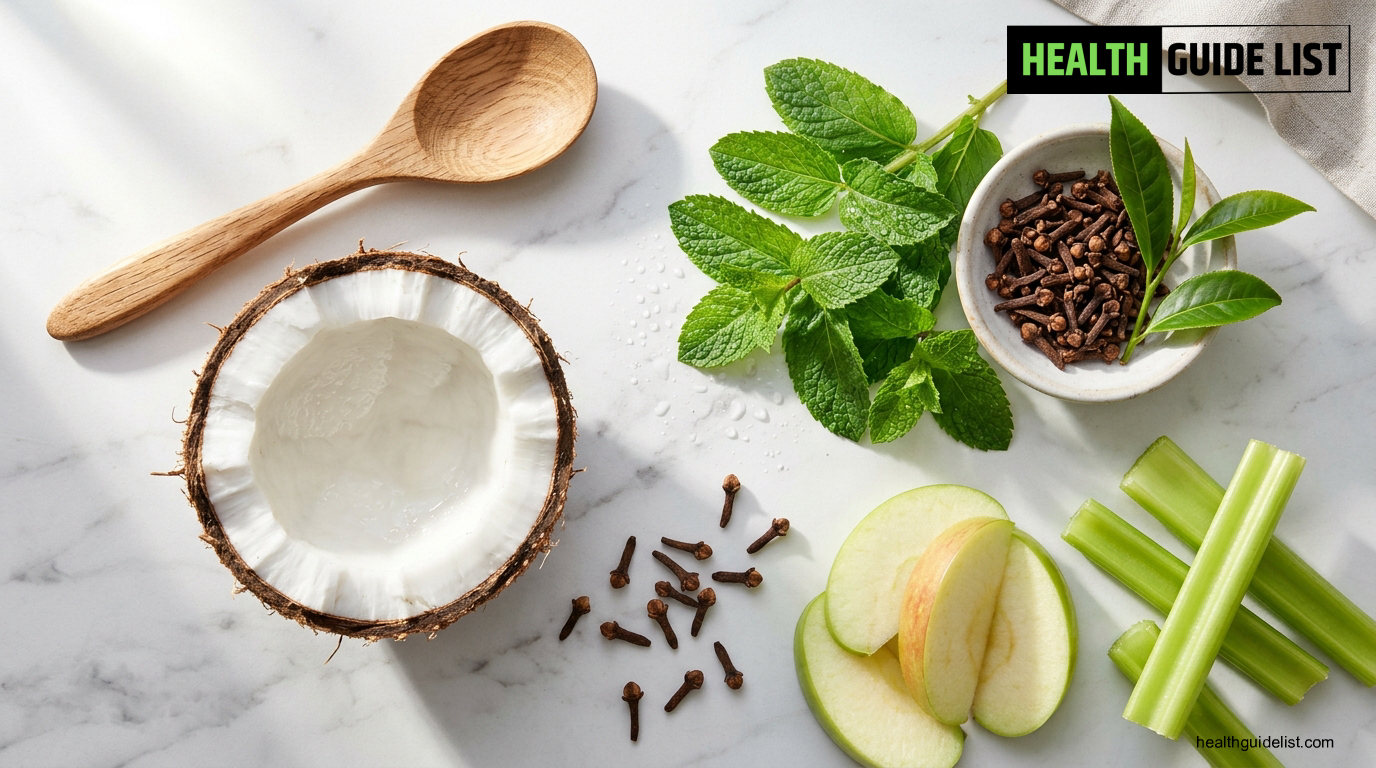
To help reverse receding gums naturally, prioritize these essential building blocks in your daily nutrition:
- Vitamin C (Ascorbic Acid & Bioflavonoids): Required for prolyl hydroxylase, the key enzyme that cross-links collagen strands. Consume organic camu camu, acerola cherries, bell peppers, broccoli, and kiwi.
- Coenzyme Q10 (CoQ10): Gum tissues affected by periodontal recession demonstrate marked CoQ10 deficits. Dietary CoQ10 from wild-caught fatty fish, pasture-raised eggs, and spinach enhances mitochondrial bioenergetics in gum tissue.
- Vitamins D3 and K2 (MK-7): Vitamin D regulates inflammatory cytokines and antimicrobial peptides (cathelicidin), while Vitamin K2 directs calcium into alveolar jaw bones rather than soft cardiovascular tissues.
- Hydrolyzed Collagen Peptides: Consuming glycine, proline, and hydroxyproline provides direct peptides for gingival fibroblasts to firm periodontal ligaments.
- Zinc and Quercetin: Essential trace minerals that downregulate matrix metalloproteinases (MMPs), the tissue-destroying enzymes elevated in inflamed gum pockets.
For additional daily nutritional strategies to enhance your oral care regimen, explore our companion breakdown on 5 Natural Ways to Support Teeth and Gum Health.
Step 3: Gentle Mechanical Cleaning with the Modified Bass Technique
Many well-intentioned individuals aggravate gum recession by scrubbing vigorously, believing harder brushing removes more plaque. In reality, hard bristles physically gouge delicate gingival margins, converting mild inflammation into permanent tissue loss.
Adopt the clinical Modified Bass Brushing Technique recommended by the American Dental Association (ADA):
1. Ultra-Soft Bristles: Always select a brush with rounded, ultra-soft micro-bristles or a high-grade eco-friendly bamboo toothbrush.
2. 45-Degree Angle Placement: Position your brush bristles at a precise 45-degree angle toward the gumline so the micro-filaments gently slip into the sulcus (the pocket between gum and tooth).
3. Gentle Vibratory Vibrations: Use tiny, circular, vibratory motions rather than saw-like back-and-forth scrubbing. This disrupts subgingival biofilm without traumatizing epithelial margins.
4. Sweep Away from the Gum: After several vibratory oscillations, gently sweep the bristles downward (for upper teeth) or upward (for lower teeth) away from the gum margin.
5. Switch to Natural Tooth Powders: Replace conventional commercial toothpastes containing harsh foaming agents like Sodium Lauryl Sulfate (SLS), artificial dyes, and abrasive silica with gentle calcium carbonate, bentonite clay, and xylitol-based pastes.
Exploring Clinical Nutritional Support for Periodontal Health While foundational dietary changes, salt rinses, and gentle brushing form the bedrock of natural gum care, severe chronic gum pocketing often benefits from targeted clinical formulations designed to deliver concentrated botanicals and live oral probiotic strains directly to the sulcular pocket. If you are looking for an in-depth clinical analysis of specialized oral microbiome formulas, take a look at our complete OxyDental Pro Review: Ingredients, Benefits, and Clinical Breakdown to evaluate whether comprehensive periodontal supplementation aligns with your wellness goals.
Step 4: Saliva Optimization & Systemic Hydration
Saliva is nature’s miraculous oral restorative fluid. It contains rich concentrations of calcium, phosphate, immunoglobulins (IgA), lactoferrin, and bicarbonate buffers that neutralize bacterial acids and naturally remineralize microscopic root pores.
When saliva production diminishes—due to mouth breathing, stress, or chronic dehydration—acid levels spike, enamel erodes, and anaerobic bacteria multiply rapidly. Maintaining optimal cellular hydration is indispensable if your goal is to reverse receding gums naturally.
- Hydrate with Mineralized Water: Drink ample clean water infused with trace electrolyte minerals throughout the day to support uninterrupted salivary flow. To understand how systemic fluid intake directly influences collagen hydration and cell elasticity, read our detailed analysis on The Importance of Proper Hydration for Joint and Skin Health.
- Chew 100% Birch Xylitol Gum: Pure xylitol prevents S. mutans from adhering to tooth roots and stimulates protective alkaline saliva production after meals.
- Stop Mouth Breathing: Breathing through your mouth during sleep dries out periodontal tissues, exposing gums to unmitigated bacterial proliferation. Practice diaphragmatic nasal breathing and consider gentle mouth taping if you wake with a parched throat.
Step 5: Restorative Sleep & Systemic Inflammation Reduction
Your immune defenses execute crucial periodontal healing while you sleep. During deep stage-3 non-REM slow-wave sleep, systemic cortisol plummets and human growth hormone (HGH) surges, orchestrating cellular repair throughout the gingival micro-vasculature.
Conversely, chronic sleep deprivation fuels systemic oxidative stress, elevates circulating C-reactive protein (CRP), and suppresses neutrophil activity, accelerating pocket formation around tooth roots.
To discover how restorative sleep cascades into whole-body immune resilience and periodontal tissue longevity, read our comprehensive guide on How Optimizing Deep Sleep Rebuilds Your Immune System and Brain Health.
Daily Action Plan to Reverse Receding Gums Naturally
To make your oral health restoration simple and sustainable, integrate these science-backed practices into an easy-to-follow daily routine:
| Time of Day | Target Action | Specific Natural Protocol | Primary Biological Benefit |
|---|---|---|---|
| Morning | Biofilm Pulling | Swish 1 tbsp virgin coconut oil with a drop of organic clove oil for 15 min; spit in trash. | Draws out overnight anaerobic bacteria and soothes gingival margins. |
| Post-Breakfast | Gentle Bass Brushing | Ultra-soft bristle brush held at 45° angle with SLS-free remineralizing tooth powder. | Dislodges food particles without mechanical abrasion to exposed cementum. |
| Midday | Microbiome Rebalancing | Chew 1-2 pieces of pure 100% birch xylitol gum and drink mineralized electrolyte water. | Boosts alkaline saliva pH and starves acid-producing bacterial colonies. |
| Evening | Interdental Cleaning | Use a gentle water flosser or expanding unwaxed floss infused with tea tree or peppermint. | Flushes out stubborn debris trapped within deep periodontal crevices. |
| Nighttime | Antimicrobial Salt Rinse | Warm distilled water mixed with 1/2 tsp unrefined Himalayan pink salt for 60 seconds. | Reduces swelling, neutralizes oral acids, and promotes overnight tissue healing. |
4 Common Mistakes That Worsen Receding Gums
When attempting to reverse receding gums naturally, avoiding harmful daily habits is just as important as adopting positive new ones. Steer clear of these widespread pitfalls:
1. Using Over-the-Counter Alcohol Mouthwashes: Commercial blue and green mouthwashes act like scorched-earth chemicals. By obliterating beneficial oral flora, they dry out mucous membranes and trigger a violent rebound of virulent anaerobic pathogens within hours.
2. Aggressive Toothpick and Floss Snapping: Forcing string floss aggressively down into your gums like a saw lacerates the delicate interdental papilla, causing irreversible scar tissue and rapid gum detachment. Instead, gently curve the floss into a “C” shape against the tooth surface and glide upward.
3. Consuming Highly Acidic Beverages Unbuffered: Sipping lemon water, kombucha, or apple cider vinegar continuously throughout the day dissolves outer root minerals. Always use a straw and rinse your mouth with plain water immediately afterward.
4. Ignoring Clenching and Grinding Symptoms: If you frequently wake up with tension in your temporomandibular joint (TMJ) or flattened tooth surfaces, talk to your dentist about an ergonomic nightguard to prevent excessive mechanical load from breaking down alveolar bone.
Frequently Asked Questions: Reverse Receding Gums Naturally
Can receding gums genuinely grow back naturally on their own?
Gingival tissue that has completely atrophied along with substantial underlying alveolar bone destruction cannot regrow back to its original youthful height without surgical grafting. However, by adopting rigorous natural methods, you can dramatically tighten loosened pockets, eliminate active inflammation, reverse gingivitis, reattach marginal fibers, and prevent any further gum recession from taking place.
How long does it take to notice improvements in gum health?
Most individuals observing a consistent natural protocol notice a marked reduction in bleeding and sensitivity within 10 to 14 days. Noticeable firming of the gum tissue, healthier coral-pink coloration, and reduced pocket depths typically manifest within 6 to 12 weeks of consistent daily care.
Is oil pulling safe for dental crowns, fillings, and implants?
Yes. Virgin coconut oil pulling does not dissolve or weaken modern dental cements, composite resins, or titanium implants. In fact, keeping the surrounding soft tissues free from pathogenic biofilm helps prevent peri-implantitis and protects margins around existing dental restorations.
What is the single best vitamin to support gum tissue repair?
Vitamin C paired with bioavailable bioflavonoids is arguably the most vital single micronutrient for gingival tissue repair because it serves as an indispensable enzymatic cofactor in collagen synthesis. Pairing Vitamin C with Vitamin D3 and K2 ensures both soft gum tissue and underlying alveolar bone receive comprehensive nutritional reinforcement.
Does drinking green tea help reverse receding gums naturally?
Yes. High-quality organic green tea contains abundant epigallocatechin gallate (EGCG), a potent catechin that inhibits inflammatory prostaglandins and blocks Porphyromonas gingivalis collagenase activity. Drinking 1 to 2 cups of unsweetened green tea daily provides remarkable systemic and localized antioxidant protection for gum margins.
Final Thoughts: Building Lifelong Gum Resilience
Restoring your gum health does not require abrasive chemical treatments or frantic surgical interventions. By respecting the intricate biology of the oral microbiome, nourishing your body with collagen-building micronutrients, practicing the gentle Modified Bass brushing technique, and incorporating anti-inflammatory oil pulling, you empower your mouth to heal naturally.
Begin implementing these practical steps today to safeguard your smile, maintain your natural teeth for decades to come, and reverse receding gums naturally.
Disclaimer: This article is for informational and educational purposes only and does not constitute formal medical or dental advice. If you experience severe gum pain, persistent bleeding, loose teeth, or significant gum recession, please consult a licensed dental professional for a comprehensive clinical periodontal evaluation.