

If you wake up with creaky knees, stiff hips, or deep aching in your fingers that takes an hour to warm up, your body may be signaling a hidden deficiency in joint lubrication. Millions of adults mistakenly believe that joint stiffness is an unavoidable consequence of aging or simple wear-and-tear. In reality, the true physiological culprit behind grinding bones is often the depletion of your body’s natural joint lubricant: synovial fluid. Learning how to restore synovial fluid naturally is one of the most powerful, proactive decisions you can make to protect your cartilage, eliminate joint friction, and reclaim smooth, pain-free mobility.
Without adequate synovial fluid, your cartilage loses its slippery, shock-absorbing cushion. Over time, protective articular cartilage dries out, cracks, and flakes away, leading directly to bone-on-bone friction and persistent inflammation.
In this comprehensive, evidence-based guide, we explore the science behind joint lubrication, unpack why synovial fluid declines with age, and detail five actionable, food- and lifestyle-based strategies to help you restore synovial fluid naturally without relying on invasive injections or harsh medications.
What Is Synovial Fluid and Why Does It Disappear?
Synovial fluid is a thick, viscous, egg-white-like biological liquid nestled inside your diarthrodial joint cavities. Produced by the inner synovial membrane (synovium), this vital bio-lubricant performs three indispensable physiological functions:
1. Frictionless Lubrication: It coats articular cartilage with specialized molecules known as hyaluronan (hyaluronic acid) and lubricin, reducing the coefficient of friction in moving joints to a level slicker than wet ice sliding on ice.
2. Nutrient Delivery & Waste Removal: Because articular cartilage contains no direct blood vessels, nerves, or lymphatic channels, it relies entirely on synovial fluid to diffuse glucose, oxygen, and amino acids into chondrocyte cells while carrying metabolic waste away.
3. Hydraulic Shock Absorption: When you walk, run, or jump, synovial fluid thickens under pressure, acting as an active shock absorber that prevents direct mechanical impact between bones.
The Age-Related Collapse of Hyaluronan
As we age, fibroblasts inside the synovial membrane produce less high-molecular-weight hyaluronan. Concurrently, chronic systemic inflammation and oxidative stress trigger elevated levels of hyaluronidase enzymes, which actively chop existing hyaluronic acid molecules into fragmented, watery remnants.
When your joint lubricant degrades from a thick shock-absorbing gel into a thin, watery liquid, cartilage begins rubbing against cartilage. The resulting micro-tears shed debris into the joint capsule, inciting inflammatory cytokines like TNF-alpha and Interleukin-1 beta (IL-1β). To stop this destructive cycle, you must know how to restore synovial fluid naturally from the cellular level upward.
According to clinical research published by the National Center for Biotechnology Information (NCBI), maintaining high-molecular-weight hyaluronan within the synovial cavity is paramount for chondrocyte survival and long-term joint homeostasis.
5 Science-Backed Steps to Restore Synovial Fluid Naturally
Restoring your natural joint lubrication requires a multi-pronged approach that combines targeted nutritional precursors, joint movement mechanics, cellular hydration, and inflammation-calming botanicals.
Step 1: Nourish Hyaluronan Synthesis with Key Dietary Precursors
Your body cannot synthesize dense synovial fluid out of thin air. It requires specific biochemical building blocks, particularly N-acetyl-glucosamine (NAG), glucuronic acid, and sulfur donors. Incorporating rich dietary precursors stimulates synovial fibroblasts to manufacture fresh, high-density hyaluronic acid.
To help restore synovial fluid naturally, prioritize these bioavailable whole-food sources:
- Slow-Simmered Bone Broth: Rich in gelatin, naturally occurring hyaluronic acid, chondroitin sulfate, and collagen peptides. Preparing homemade bone broth from grass-fed beef or pasture-raised chicken bones provides direct, absorbable nourishment for joint membranes.
- Root Vegetables and Complex Tubers: Starchy roots such as sweet potatoes, Japanese mountain yams (Satsumaimo), taro, and carrots are rich in magnesium, potassium, and trace minerals that activate hyaluronan synthase enzymes.
- Sulfur-Rich Allium and Brassica Vegetables: Garlic, onions, leeks, broccoli, Brussels sprouts, and cabbage provide organic sulfur required for the synthesis of glycosaminoglycans (GAGs) that form the core structure of synovial molecules.
- Citrus Fruits and Bioflavonoids: Vitamin C from oranges, lemons, and bell peppers prevents hyaluronidase enzymes from prematurely breaking down joint fluid.
To discover how whole-food anti-inflammatory nutrition shields your joints from cartilage degradation, explore our companion guide on 7 Natural Anti-Inflammatory Foods for Joint Health and Mobility.
Step 2: Stimulate the “Joint Pump” Through Gentle Low-Impact Movement
Because articular cartilage has no vascular blood supply, it relies on a biological process called **imbibition**—often referred to as the “joint pump.” When you gently compress and decompress a joint, old synovial fluid is squeezed out like water from a sponge, and fresh, nutrient-rich fluid is sucked back in.
Sedentary living starves your joints. Sitting for hours causes synovial fluid to pool, cool, and stagnate, which is precisely why joints feel agonizingly stiff after sitting at a desk or getting out of bed.

Optimal Low-Impact Joint Lubrication Routines:
- Controlled Articular Rotations (CARs): Performing slow, pain-free full-range joint circles for the neck, shoulders, hips, and ankles every morning immediately drives fresh synovial fluid into dormant joint capsules.
- Recumbent or Upright Cycling: Pedaling with light resistance for 15 to 20 minutes circulates synovial fluid through knee and hip capsules hundreds of times without concussive impact.
- Swimming and Water Aerobics: Water buoyancy unloads up to 90% of your body weight, allowing your joints to glide freely through extensive ranges of motion while stimulating synovial membrane secretion.
- Restorative Yoga and Tai Chi: Fluid, dynamic postures emphasize joint decompression, fascial gliding, and collateral circulation.
According to movement guidelines from the Arthritis Foundation, consistent low-impact physical movement is the most direct non-pharmacological stimulus for maintaining joint fluid viscosity and muscular joint stability.
Step 3: Deep Cellular Hydration and Electrolyte Delivery
Synovial fluid is composed of more than 80% water. If your body is chronically dehydrated on a cellular level, your brain prioritizes water delivery to vital survival organs (brain, heart, liver), pulling moisture directly away from joint capsules and intervertebral discs.
However, drinking plain tap water alone is frequently insufficient. Without adequate minerals, plain water flushes right through your kidneys without penetrating cellular membranes. To restore synovial fluid naturally, you must optimize both water volume and electrolyte density:
1. Drink Structured, Mineralized Water: Add a pinch of unrefined Celtic sea salt or Himalayan pink salt to your morning water to supply trace ionic minerals (magnesium, potassium, sodium) that carry water into synovial tissues.
2. Consume Water-Dense Fruits and Vegetables: Cucumbers, celery, watermelon, and zucchini provide structured gel-water bound to natural fiber and polyphenols, enhancing sustained hydration.
3. Avoid Diuretic Overconsumption: Excessive intake of high-caffeine energy drinks, commercial sodas, and alcohol dehydrates the synovium and accelerates hyaluronan degradation.
For a deeper exploration of how cellular fluid intake influences joint elasticity and systemic collagen integrity, read our in-depth analysis on The Importance of Proper Hydration for Joint and Skin Health.
Looking for Advanced Joint Lubrication Science? While dietary modifications, daily bone broth, and gentle joint pumping exercises establish the cornerstone of healthy mobility, severe joint dryness and decades of cartilage thinning often demand specialized nutritional compounds. Clinical formulations featuring concentrated high-molecular-weight hyaluronic acid (such as Mobilee®) and French maritime pine bark are engineered to replenish the synovial reservoir directly. If you are looking for an independent, scientific evaluation of comprehensive joint-nourishing formulas, check out our full Joint Genesis Review: Ingredients, Benefits, and Clinical Breakdown to see how targeted supplementation can complement your natural routine.
Step 4: Systemic Inflammation Quenching with Bioavailable Polyphenols
Inflammation is the primary biochemical assassin of synovial fluid. When joint tissues are inflamed, white blood cells flood the joint cavity, releasing reactive oxygen species (ROS) that tear apart delicate hyaluronan chains within seconds.
By neutralizing inflammatory cascades, you protect your existing synovial fluid from premature destruction. Science supports several exceptional botanical and culinary anti-inflammatories:
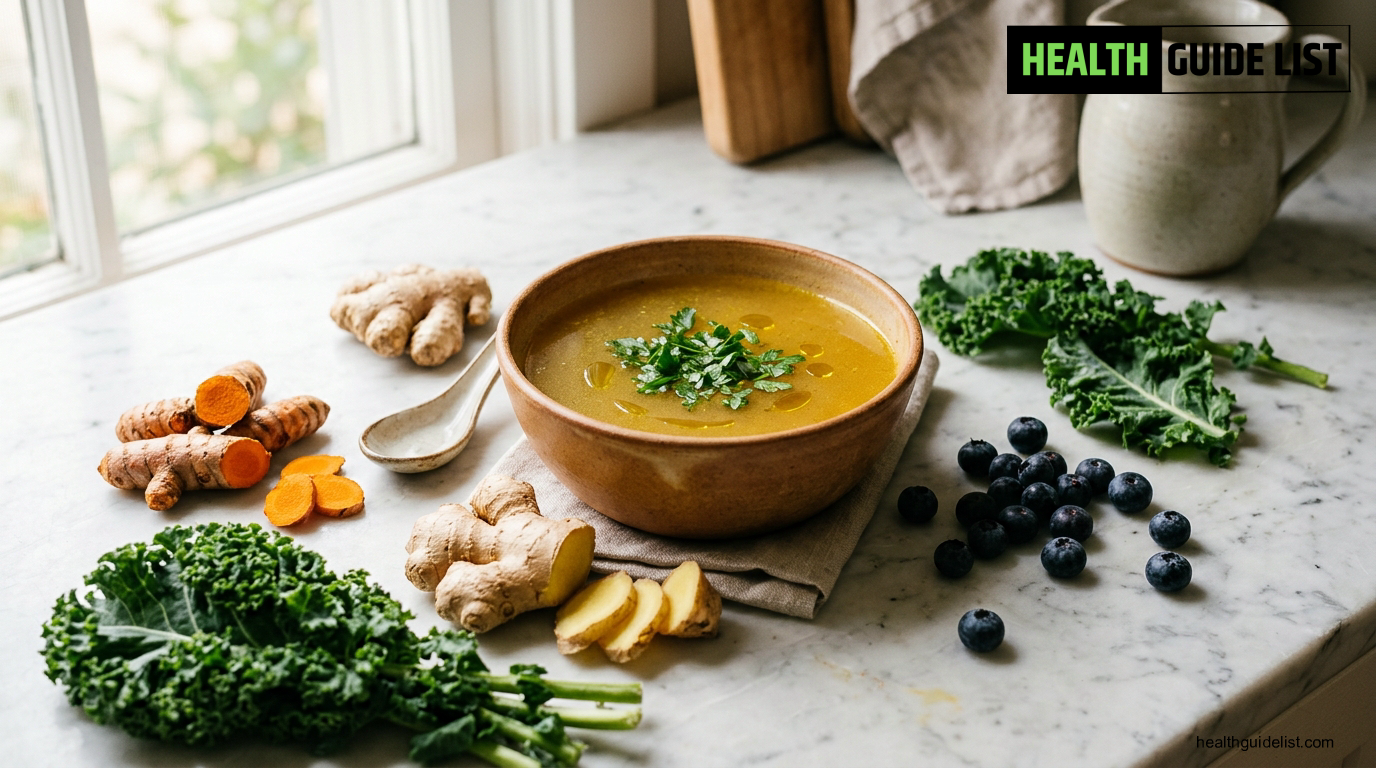
- Curcumin (Turmeric Root): Curcumin downregulates NF-kB, the master genetic switch for inflammatory cytokines. Pairing turmeric with black pepper (piperine) enhances systemic curcumin bioavailability by up to 2,000%.
- Gingerols (Fresh Ginger Root): Ginger contains active gingerol and shogaol compounds that inhibit cyclooxygenase (COX-2) and lipoxygenase (LOX) enzymes, mimicking the benefits of conventional pain relievers without damaging the gut lining.
- Omega-3 Fatty Acids (EPA & DHA): Wild-caught fatty fish (sardines, wild salmon, mackerel), flaxseeds, and chia seeds provide eicosapentaenoic acid (EPA), which converts into specialized pro-resolving mediators (SPMs) that halt synovial membrane swelling.
- Boswellia Serrata (Indian Frankincense): Contains AKBA (3-O-acetyl-11-keto-beta-boswellic acid), a potent natural inhibitor of 5-lipoxygenase (5-LOX) that prevents inflammatory cartilage erosion.
Step 5: High-Quality Collagen and Gelatin Scaffolding
While synovial fluid acts as the oil in your joint engine, articular cartilage forms the polished metal bearings. Synovial fluid and cartilage exist in a symbiotic relationship: healthy cartilage retains synovial fluid, while synovial fluid preserves cartilage cells.
Supplying your body with specific amino acids—particularly glycine, proline, and **hydroxyproline**—provides the structural raw materials chondrocytes require to repair microscopic cartilage fissures.
- Hydrolyzed Collagen Types I, II, and III: Type II collagen specifically forms the structural meshwork of joint cartilage. Supplementing with pasture-raised hydrolyzed collagen peptides stimulates chondrocytes to synthesize fresh extracellular matrix.
- Adequate Nighttime Rest for Cellular Repair: Joint cartilage undergoes its most intense cellular regeneration during deep slow-wave sleep when human growth hormone (HGH) peaks. To understand the powerful link between deep sleep stages and tissue regeneration, read our detailed guide on How Optimizing Deep Sleep Rebuilds Your Immune System and Brain Health.
Daily Action Plan to Restore Synovial Fluid Naturally
Consistency is the secret to transforming stiff, grinding joints into supple, lubricated hinges. Follow this practical 24-hour daily routine to maximize your natural joint lubrication:
| Time of Day | Action Step | Daily Protocol | Biological Purpose |
|---|---|---|---|
| Morning (Upon Waking) | Hydration & CARs Movement | Drink 16 oz warm water with a pinch of Celtic sea salt; perform 5 min of gentle joint circles. | Rehydrates dried synovial sacs and circulates fluid before bearing full body weight. |
| Breakfast / Midday | Hyaluronan & Polyphenol Nourishment | Enjoy a warm mug of homemade bone broth seasoned with fresh turmeric, ginger, and black pepper. | Supplies amino acid precursors while suppressing inflammatory hyaluronidase enzymes. |
| Afternoon | Low-Impact Joint Pumping | Engage in a 20-minute brisk walk, stationary cycling session, or gentle aquatic swimming. | Mechanically drives fresh nutrients into avascular cartilage via hydraulic imbibition. |
| Dinner | Sulfur & Omega-3 Satiety | Wild-caught salmon or sardines served with roasted broccoli, garlic, onions, and sweet potatoes. | Provides EPA/DHA to quell nighttime cytokines and sulfur to construct cartilage matrix. |
| Nighttime | Magnesium & Deep Rest | Take a warm Epsom salt bath and maintain 7–8 hours of restorative, slow-wave sleep. | Transdermal magnesium relaxes periarticular muscles while sleep triggers chondrocyte repair. |
4 Common Habits That Destroy Joint Synovial Fluid
When striving to restore synovial fluid naturally, eliminating destructive habits is just as critical as adopting new nutritional protocols. Watch out for these four widespread mistakes:
1. Chronic NSAID Overuse: While over-the-counter non-steroidal anti-inflammatory drugs (NSAIDs) temporarily numb pain, studies indicate that long-term use can actually inhibit chondrocyte proliferation and accelerate cartilage degradation.
2. Extended Sedentary Periods: Immobility causes synovial fluid to become stagnant and gel-like. Even standing up every 45 minutes to perform 10 bodyweight squats or ankle circles reactivates the synovial pump.
3. Consuming High-Fructose Corn Syrup & Refined Seed Oils: Industrial seed oils (soybean, corn, canola) are loaded with pro-inflammatory omega-6 arachidonic acid precursors that trigger inflammatory cytokine storms in joint capsules.
4. Ignoring Subclinical Dehydration: If your urine is dark yellow, your synovial membranes are running on empty. Always aim for pale, straw-colored urine throughout the day.
Frequently Asked Questions: Restore Synovial Fluid Naturally
Can you genuinely restore synovial fluid naturally without medical injections?
Yes. Unless a joint has reached severe, end-stage, bone-on-bone ankylosis requiring surgical joint replacement, your synovial membrane retains the biological capacity to produce high-molecular-weight hyaluronan when provided with appropriate raw precursors, adequate hydration, and low-impact movement.
How long does it take to restore synovial fluid naturally?
Most individuals who commit to daily mineral hydration, morning joint rotations, and anti-inflammatory nutrition report noticeable reductions in joint stiffness and morning creaking within 2 to 3 weeks. Significant improvements in deep joint comfort and mobility typically occur within 6 to 12 weeks of sustained care.
What foods have the highest natural hyaluronic acid content?
Bone broth made from animal joints, cartilage, and bones contains the highest direct concentrations of bioavailable hyaluronic acid and gelatin. In addition, root vegetables (sweet potatoes, taro) and citrus fruits stimulate the body’s endogenous hyaluronan production.
Is walking beneficial when your joints feel stiff and dry?
Yes, provided the walking is low-impact and pain-free. Walking compresses and decompresses the cartilage in your ankles, knees, and hips, acting as a natural pump that circulates synovial fluid throughout the joint capsule. Wear well-cushioned footwear and avoid steep downhill descents if your knees are sensitive.
Does cracking or popping joints mean you have lost synovial fluid?
Not necessarily. Occasional painless clicking or cracking is usually caused by cavitation—tiny nitrogen gas bubbles rapidly forming and collapsing within the synovial fluid. However, if joint popping is accompanied by grinding sensations (crepitus), swelling, or sharp pain, it indicates cartilage thinning and synovial fluid loss.
Final Thoughts: Reclaim Pain-Free, Fluid Movement
You do not have to accept stiff, grinding joints as an inevitable hallmark of getting older. Your joint capsules are dynamic living systems capable of renewal, nourishment, and repair.
By feeding your body hyaluronan-rich nutrition, staying deeply hydrated with essential minerals, performing daily low-impact movement, and soothing systemic inflammation, you can successfully restore synovial fluid naturally and enjoy active, vibrant mobility for years to come.
Disclaimer: This article is intended for educational and informational purposes only and should not be considered personal medical advice. If you suffer from acute joint swelling, severe immobility, or intense joint pain, consult a qualified orthopedist or healthcare provider for an individualized evaluation.