

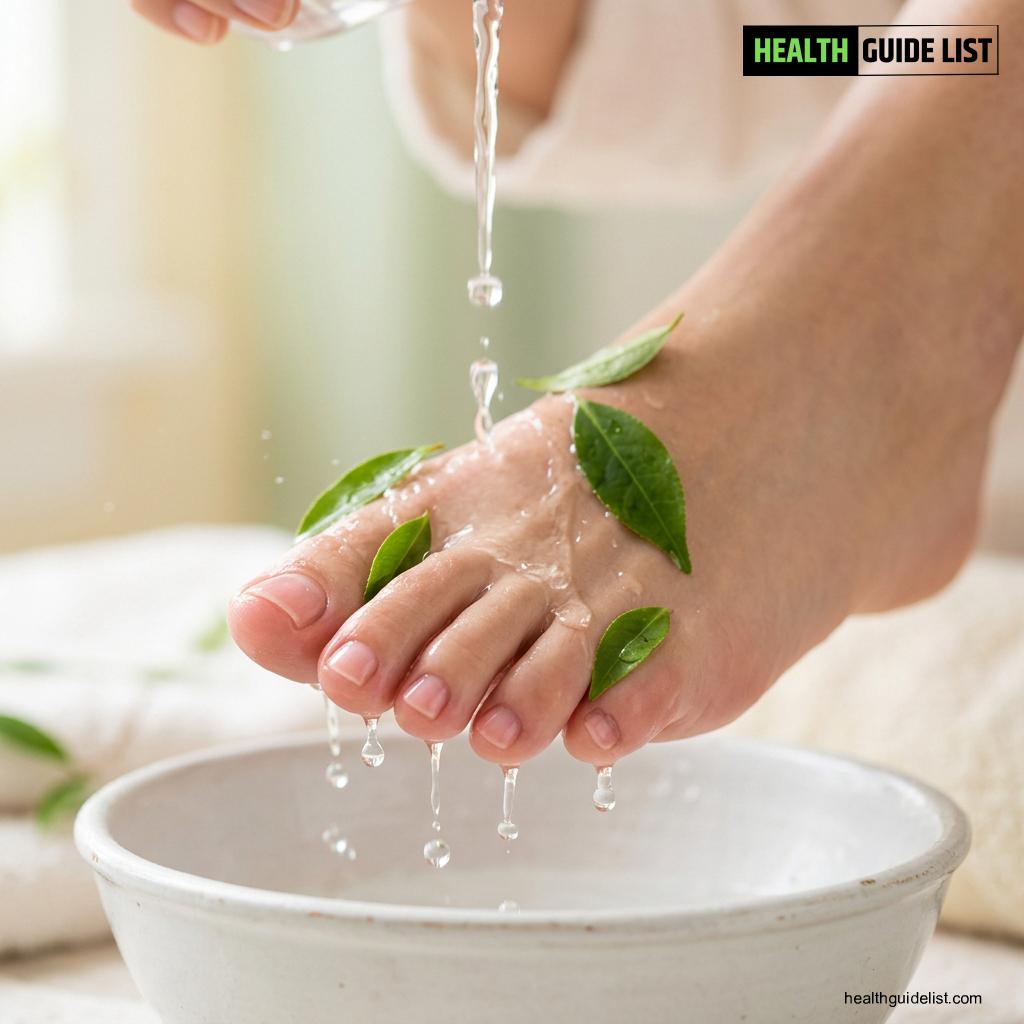
Toenail fungus, clinically known as onychomycosis, is a common and incredibly persistent condition. Fungal spores are highly resilient, thriving in dark, damp, and warm environments like shoes, locker rooms, and public pools.
Once a fungal infection penetrates the nail bed, it can take months of consistent care to clear, as the nail must grow out completely.
Rather than dealing with the frustration of treating a fully developed infection, the best approach is prevention. By adopting proper foot hygiene and using natural protective barriers, you can prevent toenail fungus naturally before it takes root.
Quick Verdict: Preventing Nail Fungus
Overall Rating: ⭐⭐⭐⭐⭐ (5/5) Best For: Active individuals, frequent gym-goers, and anyone prone to nail irritation. Required Protocol: Keep feet dry, wear breathable shoes, and apply natural antiseptic oils. Key Habit: Never walk barefoot in public showers or pool decks. The Bottom Line: Prevention is far easier than cure when it comes to nail fungus. Keeping your feet dry, changing socks daily, using protective footwear in public areas, and applying antimicrobial oils (like Tea Tree and Oregano) form a powerful natural defense system against fungal spores.
What Causes Toenail Fungus?
Fungal nail infections are usually caused by dermatophytes, which are microscopic organisms that feed on keratin—the protein that makes up your nails and hair.
When your feet are exposed to moist, warm conditions, these organisms can enter the skin or nail bed through tiny, microscopic cuts or a small separation between the nail and nail bed.
Once inside, the fungus grows slowly, causing the nail to become thick, discolored (yellow, brown, or white), brittle, and sometimes emitting a mild odor.
5 Natural Ways to Prevent Toenail Fungus
Here are five practical, science-backed natural habits to protect your feet and nails from fungal spores:
1. Maintain a Clean and Dry Environment
Since fungus thrives in moisture, keeping your feet dry is your primary line of defense.
- Wash Daily: Wash your feet with gentle soap and water every single day.
- Dry Thoroughly: After bathing, dry your feet completely, paying special attention to the spaces between your toes where moisture gets trapped.
- Moisture-Wicking Socks: Switch from cotton socks to wool or synthetic moisture-wicking socks that pull sweat away from your skin.
2. Choose Breathable Footwear
Tight, synthetic shoes create a hot, sweaty chamber that acts as an incubator for fungus.
- Breathable Materials: Choose shoes made from breathable fabrics like canvas, leather, or mesh that allow air to circulate.
- Rotate Shoes: Do not wear the same pair of shoes two days in a row. Give your footwear at least 24 hours to air out and dry completely before wearing them again.
3. Wear Protective Footwear in Public Places
Public showers, gym locker rooms, and swimming pool decks are prime breeding grounds for fungal spores.
- Shower Shoes: Always wear flip-flops, slides, or water shoes in public bathing areas, saunas, and locker rooms. Never walk barefoot in these communal spaces.
4. Use Antiseptic Botanical Oils
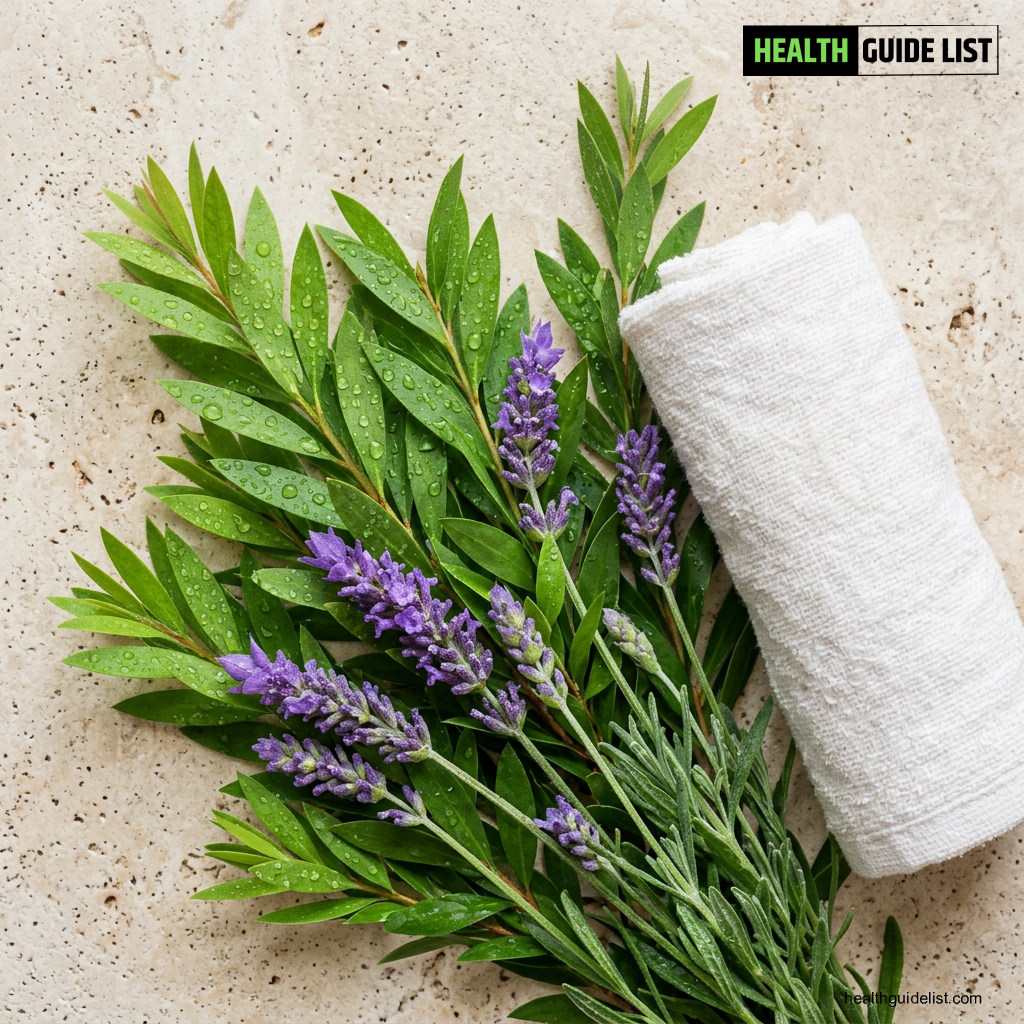
Certain essential oils contain natural antifungal compounds that can act as a shield against fungal spores. Applying a drop of these oils to your nails after bathing can help neutralize spores before they cause an infection.
- Tea Tree Oil: Contains terpenes that have been shown in dermatological studies to possess broad-spectrum antifungal properties.
- Oregano Oil: Contains carvacrol, a potent antimicrobial agent.
- Application: Mix a few drops of tea tree or oregano oil with a carrier oil (like jojoba or almond oil) and apply it to your cuticles and nail plates.
5. Keep Your Nail Tools Sanitized
Fungus can easily spread from nail to nail via contaminated clippers, files, and scissors.
- Disinfect Tools: Wash your nail clippers and metal files with soap and rub them with rubbing alcohol after every use.
- Avoid Sharing: Never share nail clippers or files with others, even within your own household.
- Trim Straight Across: Cut your nails straight across and file the edges down gently. Curved, deep cuts can lead to ingrown toenails, creating entry points for fungal spores.
Comparing Protective Foot Care Strategies
Simple choices in your daily habits can mean the difference between strong, clear nails and a stubborn fungal infection.
Frequently Asked Questions (FAQ)
How do I know if I have toenail fungus or just a bruised nail?
Fungal nail infections typically start as a small white or yellow spot under the tip of the nail, gradually spreading to discolor and thicken the entire nail plate. A bruise (subungual hematoma) is usually dark red, purple, or black and is caused by trauma (like stubbing your toe), growing out slowly with the nail.
Can diet help prevent nail fungus?
Yes, a strong immune system helps your body fight off fungal infections. A diet high in probiotics (like yogurt or kefir), antioxidants, and immune-supporting nutrients (like zinc and Vitamin E) can strengthen your body’s natural defenses against dermatophytes.
Is it safe to apply undiluted essential oils directly to nails?
Essential oils like tea tree and oregano are highly concentrated and can cause skin irritation or allergic reactions if applied directly to the skin. It is recommended to dilute them in a gentle carrier oil (like jojoba oil) before applying to the nails and surrounding cuticles.
Health Disclaimer: The information provided in this article is for educational purposes only and is not intended to replace professional medical or podiatric advice, diagnosis, or treatment. Always consult with a qualified podiatrist or healthcare provider regarding any concerns you have about your feet or nail health.