

In the world of modern wellness, weight loss conversations have been completely dominated by prescription GLP-1 receptor agonists. These treatments work by mimicking a natural gut hormone that slows digestion and tells your brain that you are full.
However, many people are looking for natural ways to achieve similar appetite-suppressing benefits without the high cost or potential side effects of medication.
This has led to the viral trend of **fibermaxxing for weight loss**—a nutritional strategy focused on maximizing specific types of dietary fiber to trigger your body’s natural GLP-1 release.
Quick Verdict: Fibermaxxing for Weight Loss
Overall Rating: ⭐⭐⭐⭐⭐ (5/5) Best For: Natural appetite suppression, improving gut microbiome, and managing blood sugar spikes. Required Intake: 35 to 50 grams of dietary fiber daily (mix of soluble and insoluble). Primary Source: Whole foods (avocados, oats, legumes, chia seeds) rather than synthetic supplements. The Bottom Line: Fibermaxxing is an exceptionally effective, science-backed approach to sustainable weight loss. By feeding your gut microbiome the raw materials it needs, your body naturally produces satiety hormones (GLP-1 and PYY). It requires no expensive prescriptions but demands a consistent transition to whole, plant-forward foods.
What is Fibermaxxing for Weight Loss?
To understand this trend, we must look at how our eating habits have changed over the last century.
The average US adult consumes only about 15 grams of fiber per day, which is far below the recommended guidelines. Fibermaxxing is the conscious effort to increase your daily fiber intake to 35, 40, or even 50 grams, focusing heavily on prebiotic soluble fibers.
Unlike simple carbohydrates or sugars, fiber is a complex carbohydrate that your body cannot digest. Instead of being absorbed in the small intestine, it travels down to the large intestine, where it serves as the primary food source for your beneficial gut bacteria.
How Does Fibermaxxing Mimic GLP-1 Naturally?
The science behind this nutritional trend is simple and elegant. When you consume soluble fiber, it mixes with water in your digestive tract to form a thick, gel-like substance.
This gel slows down gastric emptying, meaning food stays in your stomach longer, keeping you physically full.
More importantly, as this fiber reaches your colon, your gut bacteria ferment it into short-chain fatty acids (SCFAs) like acetate, propionate, and butyrate. According to gastroenterology research, these SCFAs bind to receptors on the L-cells in your gut lining, triggering the release of two crucial hormones:
1. GLP-1 (Glucagon-Like Peptide-1): Tells your brain to reduce hunger signals and improves insulin secretion.
2. PYY (Peptide YY): Works in tandem with GLP-1 to signal fullness and slow down bowel motility.
By increasing your fiber intake, you are essentially signaling your body to release its own built-in satiety hormones naturally.
Scientific Citation: A study published in the journal Nutrients highlighted that the fermentation of prebiotic fibers by gut microbes significantly increases circulating levels of GLP-1, providing a natural pathway for appetite control and metabolic health improvement.
The Best Fibermaxxing Foods for Appetite Control
If you want to start this protocol, you should focus on whole foods rather than processed fiber bars or powders, which often contain synthetic binders and artificial sweeteners.
Here are the highest-yield foods to include in your daily routine:
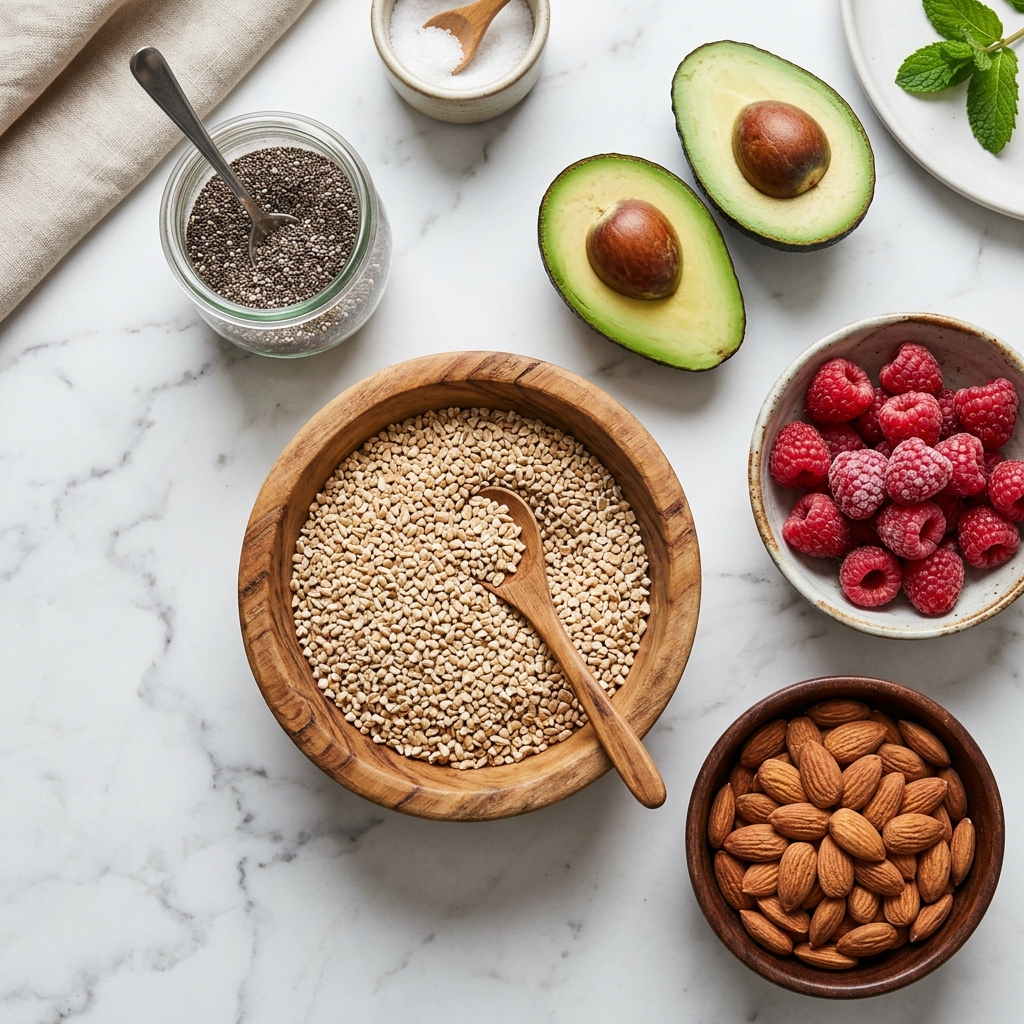
- Legumes (Lentils, Black Beans, Chickpeas): Provide up to 15 grams of fiber per cooked cup.
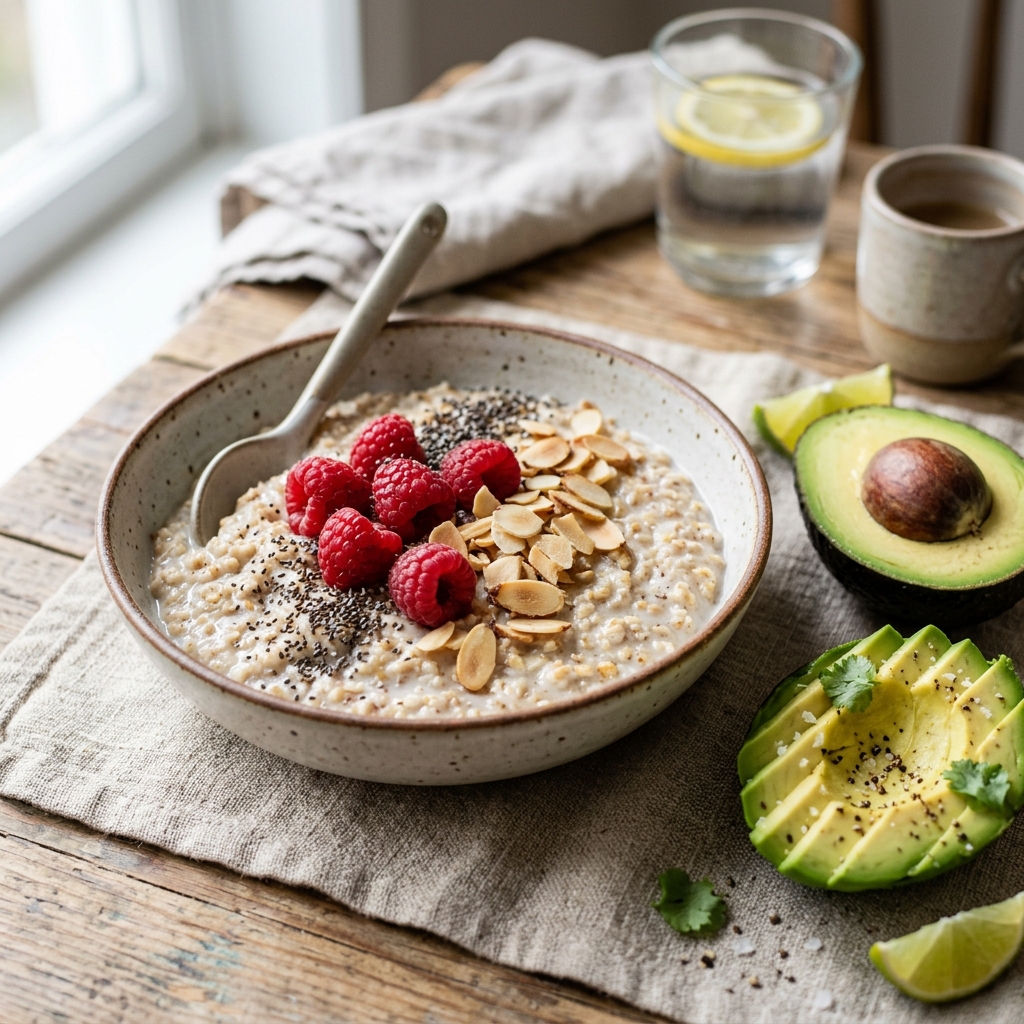
- Chia Seeds & Flaxseeds: Packed with soluble mucilage fiber that swells in the stomach.
- Steel-Cut Oats: Contain beta-glucan, a highly effective soluble fiber known to lower LDL cholesterol.
- Avocados: A single avocado delivers around 10 to 13 grams of fiber, along with healthy monounsaturated fats.
- Berries (Raspberries, Blackberries): High in fiber and antioxidants while remaining low in sugar.
Fibermaxxing vs Traditional Calorie Counting
Standard weight loss diets often focus purely on calorie restriction, which can trigger starvation hormones, causing intense cravings and muscle loss.
Instead of focusing on what you need to cut out, this strategy focuses on what you need to add to your plate. When you fill your stomach with high-volume, fiber-rich foods, you naturally crowd out high-calorie, processed foods.
Potential Side Effects and Safety Tips for Fibermaxxing
While increasing your fiber intake is highly beneficial, doing it too quickly can lead to digestive discomfort. Your gut microbiome needs time to adapt to the new diet.
If you go from 15 grams to 50 grams of fiber overnight, you will likely experience gas, bloating, and abdominal cramps. Follow these safety guidelines to ensure a smooth transition:
- Increase Slowly: Add 5 grams of fiber to your daily target every week. Give your gut bacteria time to multiply and adjust.
- Double Your Water Intake: Soluble fiber requires water to form the gel that slows digestion. Without enough hydration, high fiber can lead to constipation.
- Cook Your Vegetables: If raw kale or broccoli causes gas, try steaming or roasting them first to break down the tough fibers before consuming.