

For decades, mainstream medicine told women that accidental bladder leaks were simply an unavoidable consequence of childbirth, hormonal shifts, or natural aging. Whether experiencing an embarrassing trickle during a sneeze, an unexpected leak during a workout, or a sudden, uncontrollable urge to rush to the bathroom, millions of women have felt forced to rely on uncomfortable disposable pads. However, cutting-edge uro-gynecological research has shattered this outdated narrative: the true root cause of urinary instability is often microscopic, and learning how to restore bladder microbiome health is the clinical key to lasting freedom.
Until recently, medical textbooks erroneously claimed that healthy human urine was completely sterile. Advanced genomic sequencing has now definitively proven that your bladder hosts a delicate, complex community of beneficial bacteria known as the urinary microbiome or urobiome. When beneficial probiotic flora thrive, they form a protective biological barrier over the bladder’s mucosal lining, regulate local acidity, and prevent sensory nerves from misfiring.
When environmental toxins, dietary irritants, or chronic dysbiosis degrade this protective barrier, the bladder lining becomes inflamed, and the detrusor muscle begins contracting erratically. In this comprehensive, 100% natural guide, we explore the groundbreaking science of urobiome ecology and provide 7 practical, evidence-based lifestyle strategies to restore bladder microbiome balance, strengthen your pelvic floor, and reclaim your daily confidence.
The Hidden Science: Why You Must Restore Bladder Microbiome Health
To understand how to eliminate involuntary leaks, we must first look past mechanical muscle explanations and examine the microscopic environment inside the bladder. The bladder wall is lined with a specialized protective cellular sheet called the urothelium.
Under optimal conditions, the urothelium is coated by a protective glycosaminoglycan (GAG) layer and densely populated by protective bacteria—primarily beneficial strains of Lactobacillus (such as L. crispatus, L. gasseri, and L. jensenii). These beneficial micro-organisms perform four critical biological functions:
1. Lactic Acid Production: They produce organic lactic acid, sustaining a slightly acidic pH (typically 5.5 to 6.5) that naturally neutralizes hostile uropathogens.
2. Biosurfactant Defense: They secrete anti-microbial peptides and biosurfactants that coat the bladder lining, preventing harmful bacteria like Escherichia coli or Klebsiella from attaching to urothelial cells.
3. Mucosal Barrier Maintenance: They continuously stimulate the synthesis of mucin, ensuring the urothelium remains thick, supple, and impermeable to irritating urinary acids.
4. Neurological Shielding: A robust bacterial shield insulates the tiny detrusor sensory nerves that line the bladder wall. When the urobiome is depleted, these microscopic nerves become exposed to caustic urea, triggering hyperactive false signals that tell your brain your bladder is dangerously full when it only holds a few ounces of fluid.
Independent peer-reviewed studies published in the National Library of Medicine (PubMed) confirm that women suffering from urge incontinence and chronic urinary frequency display profound loss of beneficial Lactobacillus diversity combined with high colonization of inflammatory anaerobes. Consequently, focusing on how to restore bladder microbiome equilibrium addresses the biological root cause of bladder spasms rather than merely catching leaks with external sanitary pads.
How Microflora Imbalances Trigger Sudden Urges and Leaks
Urinary incontinence typically falls into two primary categories: stress incontinence (leakage during laughing, coughing, sneezing, or lifting) and urge incontinence (a sudden, overwhelming need to urinate followed by involuntary bladder contractions).
Dysbiosis within the urogenital tract plays a pivotal, direct role in driving both conditions:
“`
ENVIRONMENTAL TOXINS & DYSBIOSIS
│
▼
DEGRADATION OF UROTHELIAL GAG LAYER
(Loss of Protective Lactobacillus)
│
▼
EXPOSURE OF SUBMUCOSAL SENSORY NERVES
(Caustic Urinary Acids Touch Raw Nerves)
│
▼
SPASMIC DETRUSOR CONTRACTIONS & LEAKS
(Sudden Spasms, Nocturia & Urge Episodes)
“`
When you work to restore bladder microbiome integrity, you directly halt this pathological cascade. By regenerating the protective microbial biofilm, you insulate raw detrusor nerve endings, calm nocturnal bladder spasms, and allow the muscular sphincter to maintain effortless continence.

7 Evidence-Based Steps to Restore Bladder Microbiome Balance Naturally
Rebuilding a healthy urobiome does not require synthetic medications or harsh chemical douches, which often kill off the remaining beneficial flora and exacerbate dysbiosis. Instead, sustainable relief comes from targeted nutritional, behavioral, and biomechanical adjustments.
1. Eliminate Covert Urological Irritants
The first step to restore bladder microbiome health is to stop bombarding delicate bladder tissue with chemical and dietary irritants that strip away mucosal defenses:
- Artificial Sweeteners: Compounds like aspartame, sucralose, and saccharin directly irritate the urothelium and alter the metabolic activity of beneficial bacteria.
- Excessive Acidity from Processed Drinks: Commercial energy drinks, highly acidic carbonated sodas, and synthetic citrus flavorings disrupt urinary pH balance.
- Concentrated Caffeine: Caffeine acts as a direct detrusor muscle stimulant and a mild diuretic, placing unnecessary hydrostatic pressure on weak pelvic muscles while dehydrating mucosal tissue.
- Switch to Gentle Alternatives: Transition to warm herbal infusions such as chamomile, rooibos, or lemon balm, which offer natural anti-spasmodic properties without irritating the bladder lining.
2. Practice Strategic Daytime Hydration Pacing
Many women struggling with bladder leaks make the catastrophic mistake of severely restricting their water intake. While this seems intuitive, chronic dehydration actually makes leaks significantly worse:
- When you drink too little water, your urine becomes highly concentrated, dark, and acidic.
- Concentrated urine acts like acid on an already thinned urothelium, causing severe irritation, detrusor spasms, and increased frequency.
- Furthermore, stagnation allows opportunistic bacteria to proliferate unchecked.
Instead, prioritize steady hydration pacing:
- Sip clean, filtered water evenly between 7:00 AM and 6:00 PM (aiming for roughly 60 to 70 ounces daily depending on activity level).
- Taper fluid consumption 2 to 3 hours before sleep to prevent midnight awakenings.
- Learning the balance of clean fluids is just as vital as the importance of proper hydration for joint and tissue resilience.
3. Incorporate Whole-Food Botanical Proanthocyanidins
To effectively restore bladder microbiome defenses, beneficial bacteria must be able to thrive without being crowded out by persistent uropathogenic invaders:
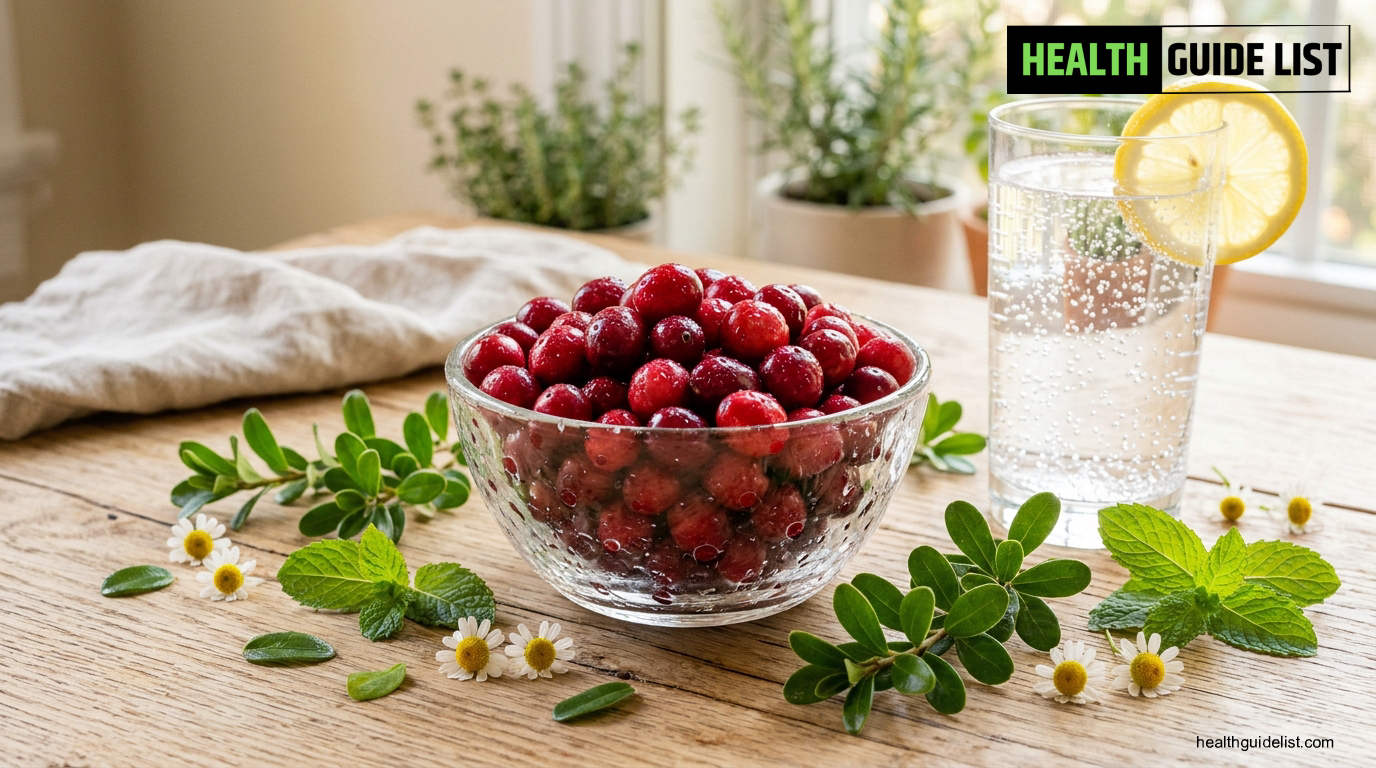
- Type-A Proanthocyanidins (PACs): Plentiful in fresh, unsweetened whole cranberries and bearberry (Uva Ursi) leaves. Type-A PACs possess a unique molecular structure that binds to the hair-like fimbriae of pathogenic bacteria, physically preventing them from hooking into the bladder mucosal lining.
- Anti-Adhesion Action: Because these natural plant compounds prevent pathogens from anchoring, hostile bacteria are naturally flushed away during normal urination, allowing endogenous Lactobacillus colonies to reclaim the urothelium.
- Avoid commercial cranberry juices laden with refined high-fructose corn syrup, as excess sugar feeds inflammatory yeast and harmful bacteria. Choose fresh cranberries, raw organic extracts, or unsweetened pure infusions.
4. Reinforce Natural Estrogen-Responsive Mucosal Tissue
For perimenopausal and postmenopausal women, declining systemic estrogen levels cause the urothelial lining and vaginal epithelium to thin dramatically (urogenital atrophy). Because Lactobacillus relies on glycogen produced by estrogen-nourished epithelial cells for fuel, lower estrogen often leads to immediate urobiome collapse.
Support natural mucosal elasticity and tissue moisture through natural phytoestrogens:
- Flaxseeds & Sesame Seeds: Rich in natural lignans that gently bind to estrogen receptors, supporting local mucosal thickness without synthetic hormones.
- Fermented Organic Soy (Tempeh, Miso): Contains genistein and daidzein isoflavones that help nourish urogenital tissue and promote natural glycogen synthesis.
- Regular consumption of healthy omega-3 fatty acids (wild salmon, chia seeds, walnuts) further calms mucosal inflammation throughout the pelvic basin.
5. Retrain the Pelvic Floor with Functional Bridge Variations
While Kegel exercises are universally recommended, traditional rapid clenches often fail because they only train voluntary skeletal muscles while neglecting the deep stabilizing core:
- Hypertonic (overly tight) pelvic floor muscles can irritate bladder nerves just as much as hypotonic (weak) muscles.
- Incorporate restorative pelvic bridges and deep diaphragmatic breathing into your morning routine.
- Lie flat on your back with your knees bent and feet flat on the floor, hip-width apart. As you inhale deeply into your belly, allow your pelvic floor to gently expand and drop. As you exhale slowly through your mouth, gently press through your heels, lift your hips into a bridge, and draw your pelvic basin inward and upward.
- Hold for 5 seconds, slowly lower down, and repeat for 10 controlled repetitions. This restores dynamic elasticity to the bladder neck and sphincter.
6. Synchronize Circadian Rhythms to Calm Nocturnal Bladder Nerves
Did you know that your bladder possesses its own peripheral circadian clock? The bladder urothelium expresses clock genes (Bmal1 and Per2) that communicate directly with the central nervous system to reduce nighttime urine volume and increase functional bladder capacity while you sleep.
When circadian rhythms are fractured by late-night blue light, irregular bedtimes, or elevated evening stress hormones, nighttime detrusor compliance drops, resulting in frustrating nocturia (waking up multiple times to pee). By optimizing deep sleep to rebuild neurological and immune health, your body naturally produces nocturnal vasopressin (antidiuretic hormone), quieting the bladder so you can sleep straight through the night uninterrupted.
7. Support Gut-Bladder Axis Cross-Talk with Prebiotic Fiber
The digestive microbiome and the urinary microbiome are engaged in continuous biological cross-talk. Harmful bacteria that compromise the urobiome frequently migrate from a dysbiotic colon across thin pelvic fascia into the urogenital tract.
To restore bladder microbiome resilience, you must simultaneously nourish your digestive ecology:
- Raw Inulin & Resistant Starch: Found in raw garlic, leeks, onions, slightly green bananas, and chicory root. These prebiotic fibers are fermented by beneficial colonic bacteria into short-chain fatty acids (SCFAs), notably butyrate.
- Systemic Anti-Inflammatory Signaling: Butyrate enters the bloodstream and circulates to the bladder, where it suppresses pro-inflammatory cytokines, calms detrusor hyper-excitability, and fortifies the bladder’s mucosal lining from within.
Seeking a Comprehensive Clinical Botanical Formulation? While foundational dietary pacing, botanical PACs, and pelvic retraining form the biological core of urobiome recovery, many women dealing with chronic, stubborn bladder instability choose targeted nutritional support engineered specifically for the female urinary tract. If you want an in-depth, scientifically validated analysis of active botanical astringents and specialized urogenital probiotic strains, read our complete FemiCore Review: Can It Restore Urinary Microbiome & Stop Bladder Leaks? to discover how clinical-grade herbal actives help rebuild the bladder sphincter and eliminate accidental leaks naturally.
Dietary Protocols and Anti-Inflammatory Foods to Restore Bladder Microbiome Balance
Transitioning your daily meals toward bladder-friendly, microflora-enriching foods is one of the most empowering steps you can take. Below is a structured nutritional blueprint designed to calm urinary inflammation:
Frequently Asked Questions About How to Restore Bladder Microbiome Health
How long does it take to restore bladder microbiome balance?
The timeline varies depending on the severity of mucosal thinning and dysbiosis. Many women report noticeable reductions in sudden urge frequency within 2 to 3 weeks of eliminating dietary irritants, adopting strategic hydration pacing, and consuming proanthocyanidin-rich botanicals. Full structural restoration of the urothelial GAG layer and colonization of beneficial Lactobacillus typically takes 60 to 90 days of consistent, natural support.
Are commercial over-the-counter probiotics effective for the bladder?
Standard digestive probiotic capsules contain bacterial strains optimized for the human gastrointestinal tract (such as Bifidobacterium infantis). To effectively restore bladder microbiome vitality, the body requires specialized acid-resistant strains—specifically Lactobacillus crispatus, Lactobacillus rhamnosus, and *Lactobacillus reuteri*—which have a demonstrated biological affinity for colonizing the female urogenital epithelium.
Does drinking lemon water irritate or soothe the bladder?
While lemons are acidic outside the body, their mineral content (citrate and potassium) has an alkalizing effect on urine once metabolized by the liver. For many women, a small squeeze of fresh lemon in warm water helps neutralize overly acidic urine, reducing bladder burning. However, if your bladder lining is acutely eroded, even mild citric acid may cause temporary sensitivity. Test in small amounts to evaluate your individual tolerance.
Can Kegel exercises alone fix sudden bladder leaks?
Kegel exercises strengthen striated skeletal pelvic floor muscles, which provide important structural support to the pelvic organs. However, Kegels cannot eliminate harmful uropathogenic bacteria, neutralize dioxin bio-toxins, or repair an eroded mucosal lining. If your leaks are triggered by bacterial dysbiosis or inflamed sensory nerves, you must restore bladder microbiome health from the inside out to achieve complete, lasting continence.
Final Thoughts: Rebuilding Bladder Confidence from Within
Living with accidental leaks, chronic urge anxiety, and uncomfortable disposable pads is neither an unavoidable reality of womanhood nor an irreversible consequence of aging. Your bladder is a dynamic, living ecosystem with an innate biological capacity to heal, regenerate, and fortify itself when provided with the proper ecological support.
By taking proactive steps to restore bladder microbiome balance—eliminating hidden chemical irritants, pacing clean hydration, nourishing your body with botanical proanthocyanidins, and practicing functional pelvic movement—you address the physiological root of urinary instability. Reclaim your freedom, your comfort, and your confidence, and give your body the natural care it deserves.