

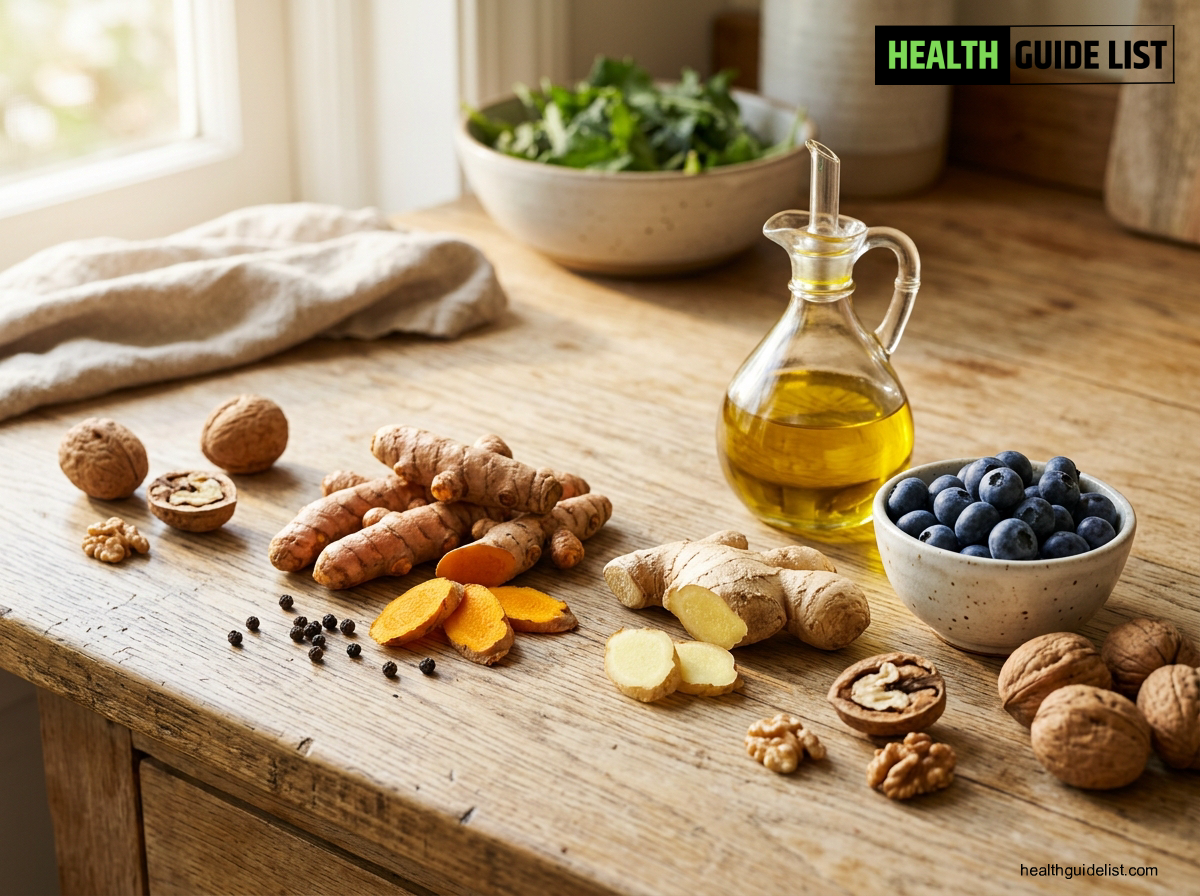
Incorporating targeted natural anti-inflammatory foods for joint health into your daily routine is one of the most effective, research-backed ways to maintain supple cartilage, relieve morning stiffness, and preserve lifelong mobility. Chronic, low-grade joint inflammation is often triggered by cellular oxidative stress and excessive pro-inflammatory cytokines that gradually wear down your protective joint tissues.
While over-the-counter painkillers offer only fleeting, superficial relief and carry potential digestive risks, choosing raw, nutrient-dense whole foods addresses inflammation at its biological root.
In this clinical wellness guide, we explore seven exceptional foods that nourish your synovial fluid, neutralize free radicals, and keep your joints moving freely.
How Chronic Inflammation Attacks Your Joints
Every movable joint in your body relies on smooth articular cartilage and a viscous lubricant known as synovial fluid to absorb everyday mechanical impacts. However, modern lifestyles filled with processed sugars, trans fats, and elevated stress can trigger continuous inflammatory signaling cascades (including TNF-alpha, IL-6, and COX-2 enzymes).
When these inflammatory mediators invade the joint capsule, they:
- Break down collagen fibers and proteoglycans within cartilage tissue.
- Thin out the protective, cushioning synovial fluid.
- Sensitize localized nerve endings, leading to chronic swelling and stiffness.
Consistently eating natural anti-inflammatory foods for joint health floods your bloodstream with polyphenols, omega-3 fatty acids, and active enzymes that suppress these destructive pathways. Cellular cleansing works hand-in-hand with dietary choices; discover how intermittent fasting benefits for autophagy to accelerate deep cellular cleanup.
7 Proven Natural Anti-Inflammatory Foods for Joint Health
Here are seven powerful, evidence-based whole foods to incorporate into your meals to safeguard your joints:
1. Wild-Caught Fatty Fish (Salmon, Mackerel, Sardines)
Fatty cold-water fish are the premier natural source of EPA (eicosapentaenoic acid) and DHA (docosahexaenoic acid) omega-3 fatty acids. These essential fats serve as biological precursors to resolvins and *protectins*—specialized molecules that actively resolve joint inflammation and protect delicate cartilage from enzymatic breakdown.
2. Extra Virgin Olive Oil
A cornerstone of the Mediterranean diet, high-quality extra virgin olive oil contains oleocanthal, a unique natural compound that shares pharmacological anti-inflammatory actions similar to low-dose ibuprofen without causing stomach irritation. Drizzling 1 to 2 tablespoons daily over vegetables soothes connective tissues.
3. Fresh Turmeric Root and Curcumin
Turmeric (Curcuma longa) is revered in Ayurvedic medicine for good reason. Its primary active polyphenol, curcumin, is a formidable antioxidant that blocks nuclear factor-kappa B (NF-kB)—the master cellular switch that drives systemic inflammatory responses in joints.
4. Fresh Ginger Root
Like turmeric, ginger contains potent bioactive compounds called gingerols and shogaols. Clinical trials show that regular ginger intake significantly reduces knee discomfort and morning stiffness in adults with age-related joint wear.
5. Leafy Green Cruciferous Vegetables (Spinach, Kale, Broccoli)
Dark leafy greens provide abundant vitamin C, vitamin K, and sulforaphane. Sulforaphane has been demonstrated in laboratory research to block enzymes that degrade cartilage, while vitamin C is an indispensable cofactor for native collagen synthesis.
6. Raw Walnuts and Chia Seeds
For plant-based omega-3s, walnuts and chia seeds deliver high concentrations of ALA (alpha-linolenic acid) alongside magnesium and copper, essential minerals that support strong joint architecture and ligament flexibility.
7. Dark Berries (Blueberries, Blackberries, Pomegranates)
Vibrantly colored berries are packed with anthocyanins and flavonoids. These powerful antioxidants scavenge free radicals within joint fluid, preventing oxidative damage to chondrocytes (cartilage-producing cells).
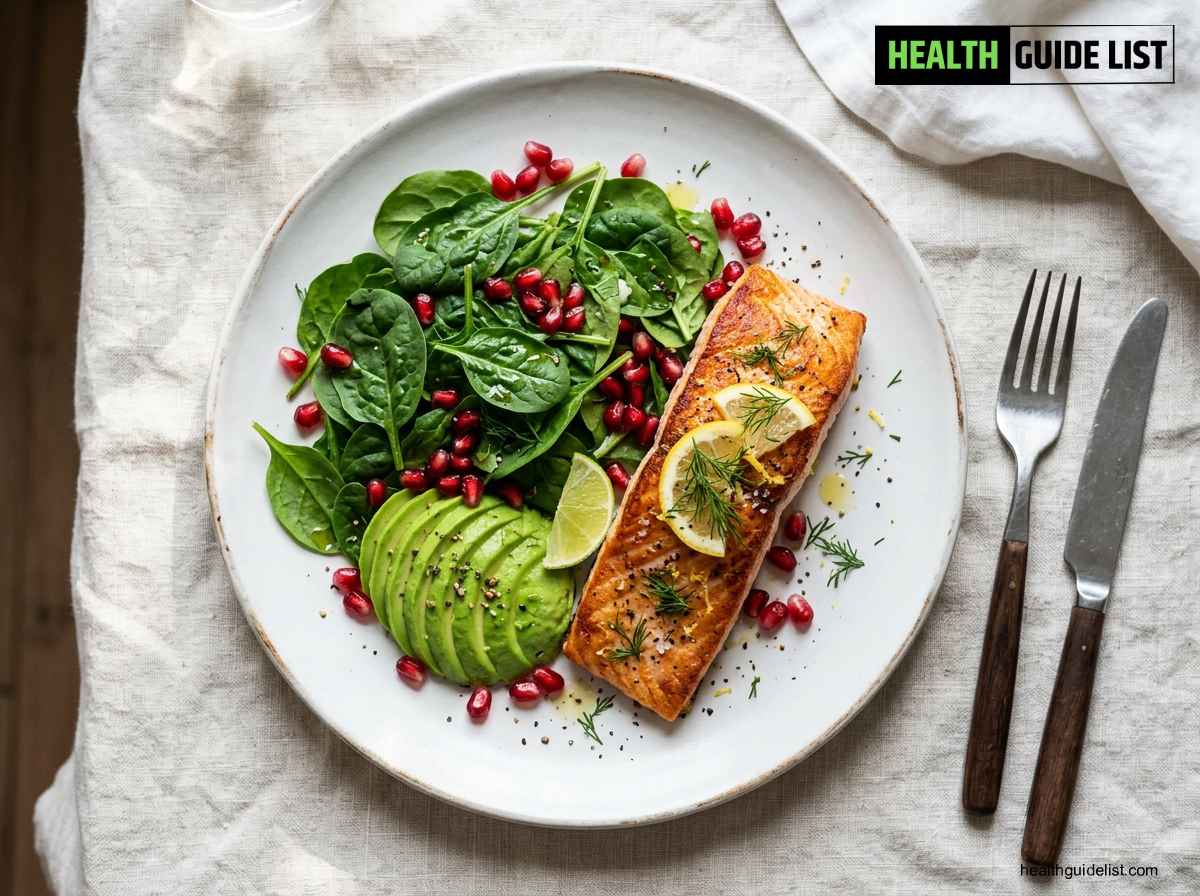
Clinical Research: A comprehensive review published in the National Library of Medicine (PubMed) confirms that Mediterranean-style diets rich in omega-3 fatty acids, polyphenols, and extra virgin olive oil produce measurable reductions in joint pain and inflammatory biomarkers.
Simple Daily Protocols to Maximize Joint Nutrition
To get the most out of your joint-friendly dietary habits, follow these practical lifestyle tips:
- Pair Turmeric with Healthy Fats and Black Pepper: Curcumin is fat-soluble and rapidly metabolized. Always enjoy turmeric cooked in extra virgin olive oil with a pinch of fresh black pepper to enhance absorption by up to 2,000%.
- Maintain Ample Daily Hydration: Your cartilage consists of approximately 80% water. Without adequate fluid, cartilage cannot effectively absorb shocks; see our essential guidelines on the importance of proper hydration.
- Protect Your Hormonal Balance with Quality Sleep: Nighttime is when your body releases growth hormones to repair connective tissues; explore how sleep hygiene resets metabolism and balances cortisol.
- Support Basal Thermogenesis: Internal temperature regulation promotes healthy micro-circulation to your extremities; learn about the science of inner body temperature weight loss and cellular warmth.
- Eliminate Pro-Inflammatory Triggers: Minimize refined sugar, refined seed oils (corn, soybean, canola), and heavily processed snack foods that counteract the benefits of anti-inflammatory nutrition.
Anti-Inflammatory Foods Comparison for Joint Support
FAQs: Natural Anti-Inflammatory Foods for Joint Health
How long does it take for anti-inflammatory foods to help joint comfort?
Unlike pharmaceutical pain relievers that act within hours, nutritional changes work progressively at the cellular level. Most individuals notice meaningful reductions in joint stiffness and easier morning movement within 4 to 8 weeks of consistent dietary changes.
Should I avoid nightshade vegetables like tomatoes and peppers?
While a small percentage of individuals report subjective sensitivities to solanine in nightshades, major clinical studies find that nightshades (like bell peppers and tomatoes) provide potent antioxidants like lycopene and vitamin C that actually support overall joint tissue health.
Can diet alone rebuild worn-out joint cartilage?
While nutrition cannot completely regrow lost cartilage in severe bone-on-bone stages, eating natural anti-inflammatory foods preserves existing cartilage, enriches synovial fluid lubrication, and significantly dampens the inflammation that causes everyday joint discomfort.
Health Disclaimer: The information provided in this article is for educational purposes only and is not intended to replace professional medical advice, diagnosis, or treatment. Always consult with a qualified physician or healthcare provider regarding any concerns you have about arthritis, joint conditions, or dietary changes. These statements have not been evaluated by the Food and Drug Administration.