

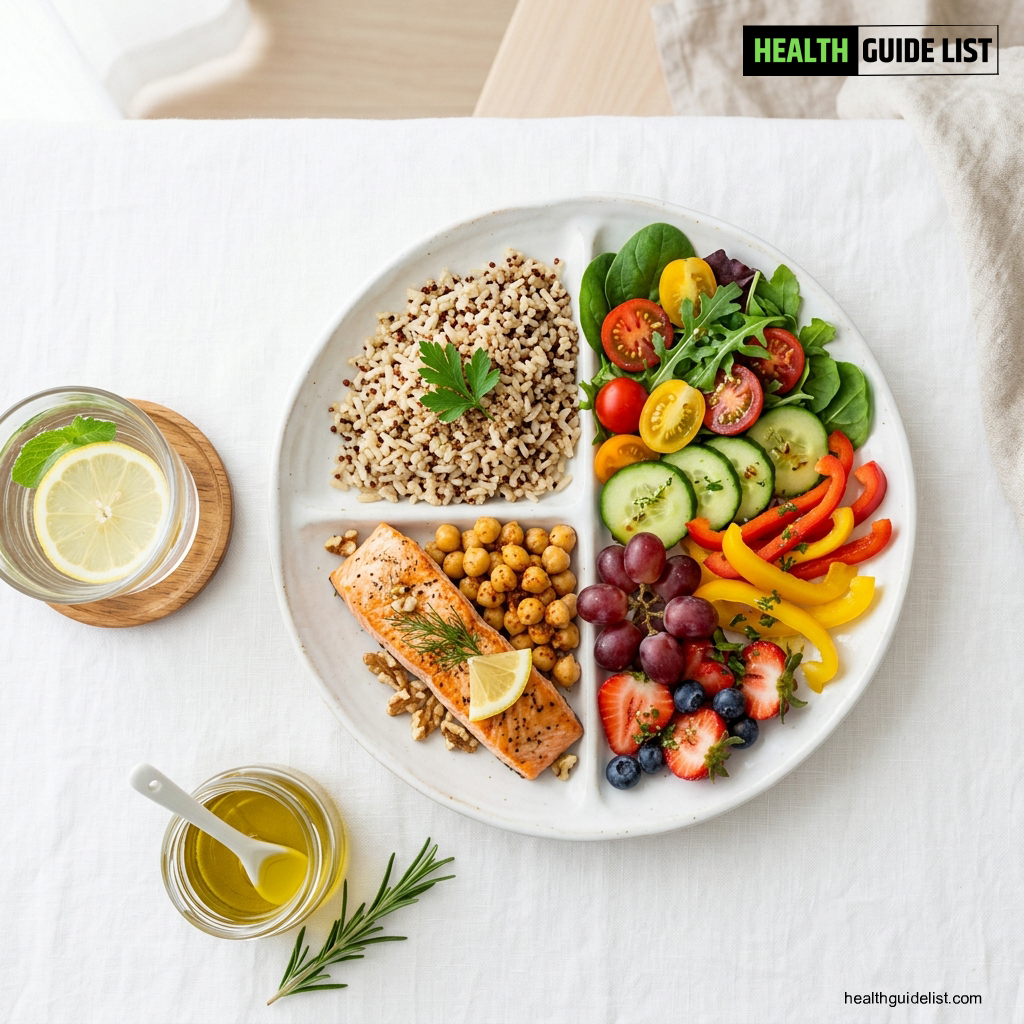
When it comes to healthy living, nutrition is often overcomplicated. With countless conflicting diets, counting calories can feel like a full-time job. Fortunately, nutrition experts at the Harvard T.H. Chan School of Public Health developed a simple, visual, and science-backed blueprint: the Harvard Healthy Eating Plate.
Unlike rigid diet plans, the Harvard Healthy Eating Plate serves as a flexible guide to help you build balanced, nutritious meals—whether you are dining at home, packing a lunch box, or ordering at a restaurant.
Below are the 5 science-backed rules of the Harvard Healthy Eating Plate to help you build a healthier daily routine.
1. Fill Half of Your Plate with Vegetables and Fruits
The most visual rule of the Harvard template is that vegetables and fruits should make up 50% of your meal.
A diet rich in plants provides essential vitamins, minerals, antioxidants, and dietary fiber that support digestive wellness, cardiovascular health, and natural immune defense.
- Prioritize Variety and Color: Aim for a “rainbow” on your plate. Different colors represent different phytonutrients. Include dark leafy greens, red bell peppers, purple cabbage, orange carrots, and yellow squash.
- The “No Potatoes” Rule: According to Harvard nutrition guidelines, potatoes and French fries do not count as vegetables. Potatoes are high in rapidly digested starch, which can cause sudden spikes in blood sugar and insulin, mimicking the effects of refined carbohydrates.
2. Dedicate a Quarter of Your Plate to Whole Grains
Carbohydrates are a primary energy source, but quality matters. The Harvard guide reserves 25% of your plate for whole and intact grains.
Whole grains retain all parts of the grain seed (the bran, germ, and endosperm), providing a steady release of energy and keeping you full longer.
- Excellent Choices: Quinoa, oats, brown rice, wild rice, barley, millet, and whole-wheat pasta or bread.
- Refined Grains to Limit: Refined white flour, white bread, and white rice have been stripped of fiber and nutrients, leading to rapid blood sugar fluctuations.
3. Allocate a Quarter of Your Plate to Healthy Proteins
Protein is the building block of muscles, hormones, and tissues. The Harvard model allocates 25% of your plate to healthy protein sources.
- Incorporate Plant-Based and Lean Proteins: Beans, lentils, chickpeas, walnuts, almonds, seeds, poultry, and wild-caught fish are outstanding protein sources. Fish also provides essential omega-3 fatty acids that support brain and heart health.
- Limit Red and Processed Meats: Limit beef, pork, and lamb, and avoid processed options like bacon, sausages, and cold cuts, which are associated with increased cardiovascular and metabolic risks.
4. Use Healthy Plant Oils in Moderation
The Harvard Healthy Eating Plate encourages the inclusion of healthy fats, correcting the outdated myth that all fats are bad for health. Healthy fats are crucial for nutrient absorption, brain function, and cellular structure.
- Choose Liquid Plant Oils: Olive oil, canola oil, sunflower oil, and peanut oil are excellent choices for cooking, dressing salads, and using at the table.
- Limit Butter and Avoid Trans Fats: Minimize butter and dairy fat, and strictly avoid hydrogenated oils (trans fats) commonly found in processed bakery items.
5. Drink Water, Tea, or Coffee (Skip the Sugar)
Hydration is a cornerstone of a healthy daily routine. The Harvard guide focuses heavily on eliminating liquid calories, which are a leading driver of weight gain and metabolic issues.
- Make Water Your Primary Beverage: Drink plenty of pure water throughout the day.
- Enjoy Unsweetened Tea and Coffee: Tea and coffee contain natural antioxidants and are highly beneficial when consumed with little to no added sugar.
- Limit Dairy and Juice: Limit milk and dairy products to 1–2 servings per day, and restrict fruit juice to one small glass daily (as juice lacks the fiber of whole fruits). Avoid sugary sodas, energy drinks, and sweetened beverages entirely.

Don’t Forget: Stay Active!
A unique feature of the Harvard Healthy Eating Plate is the running figure icon located at the bottom-left corner of the graphic. This serves as a vital reminder that regular physical activity is just as important as a balanced diet for maintaining weight, improving energy levels, and protecting cardiovascular health. Aim for at least 30 minutes of moderate movement daily.
Frequently Asked Questions (FAQ)
What is the difference between the Harvard Healthy Eating Plate and the USDA’s MyPlate?
While both guides use a plate visual, the Harvard version is based purely on independent scientific evidence and is free from food industry lobbying. Specifically, Harvard’s plate distinguishes between refined grains and whole grains, encourages healthy plant oils, excludes potatoes from the vegetable group, recommends water over milk, and explicitly includes physical activity.
Why are potatoes excluded from the vegetable group?
Potatoes contain a high amount of rapidly digestible starch (high glycemic index). Eating them regularly causes rapid spikes in blood glucose and insulin levels, similar to refined grains, which can increase the risk of type 2 diabetes and weight gain over time.
Can I eat dairy on the Harvard Healthy Eating Plate?
Yes, but in moderation. The guide suggests limiting milk and dairy to 1–2 servings per day. High consumption of dairy is not necessary for bone health and can be replaced with calcium-rich leafy greens, seeds, and beans.
Disclaimer: This content is for informational purposes only and is not intended as medical advice. Always consult with a qualified healthcare professional before making significant changes to your diet or lifestyle.